
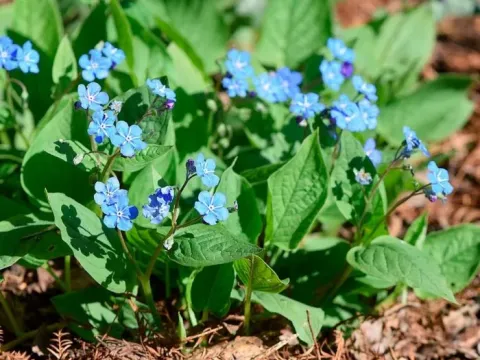
Omphalodes aliena
Omphalodes aliena
The planting of Omphalodes aliena is best performed in early spring once soil temperatures reach 8 to 10 degrees Celsius. Optimal sowing timing typically falls in late April.
What the section contains
Omphalodes aliena
For better germination results, seeds should undergo stratification. If sowing is planned for autumn, late October is the recommended time to allow for natural exposure to winter conditions.
Seeds should be buried at a shallow depth of 1.5 to 2 centimeters. Maintaining row spacing of approximately 30 to 40 centimeters ensures enough room for the plants to spread effectively.
Seedlings usually emerge within two to three weeks under proper moisture conditions. Keeping the topsoil moist is crucial during the initial germination phase to avoid seed desiccation.
The seeding rate must be adjusted based on seed viability and the target population density per square meter to ensure individual plants have space for optimal development.
Omphalodes aliena is a member of the Boraginaceae family, known for its distinct botanical properties and adaptability to moderate environmental conditions.
The crop prefers well-drained, nutrient-rich, light loamy soils. Avoiding soil compaction is vital, as the root system requires significant aeration to remain healthy and productive.
The plant flourishes in full sunlight but can tolerate partial shade, particularly in regions with harsh summer temperatures where it helps conserve soil moisture.
A soil pH between 6.0 and 7.0 is ideal for maximizing nutrient uptake. Periodic weeding and mechanical soil loosening are recommended to support vigorous growth.
Water requirements are moderate, focusing on consistency rather than quantity. Overwatering poses a significant risk to the plant's long-term health and survival.
The primary threats to this culture are fungal diseases, which thrive in humid environments with poor air circulation around the base of the plant.
Slugs and snails can cause significant damage to foliage during wet seasons, requiring careful monitoring and potential manual control or localized baiting.
Insects like aphids may infest inflorescences, impacting the development of the plant and its aesthetic or agricultural value if not addressed early.
- Powdery mildew under high humidity.
- Root rot from stagnant water.
- Foliage damage by mollusks.
Disease management strategies include spacing plants appropriately to improve airflow and selecting sites with natural slopes to prevent water accumulation near the root zone.