
Myosotis congesta
Myosotis congesta
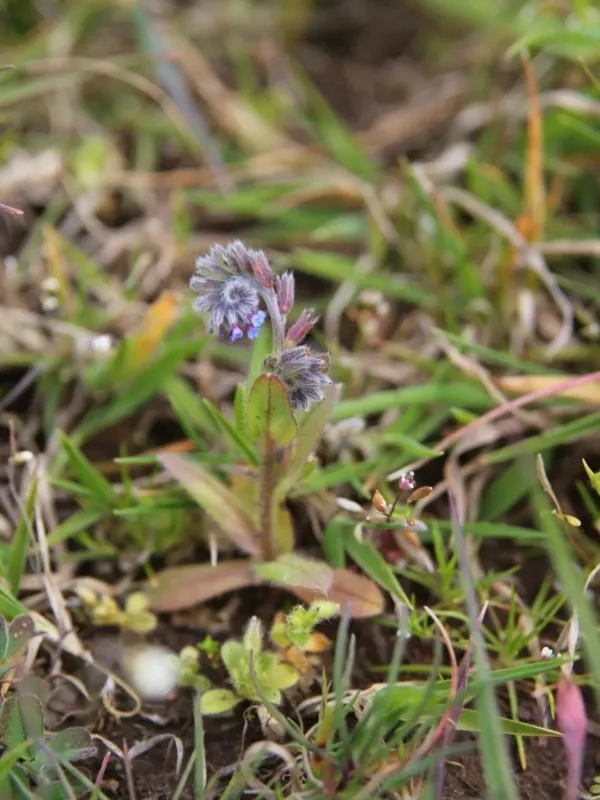
Description
Growing requirements
Myosotis congesta is a distinct perennial herbaceous plant belonging to the Boraginaceae family. Known for its compact habit and clustered inflorescences, this species is highly valued in botanical collections for its unique aesthetic and structural properties.
The native distribution of this species is confined to the alpine zones of New Zealand. It naturally inhabits rocky debris and exposed high-altitude slopes, which has shaped its physiological adaptation to nutrient-poor soils and harsh environmental conditions.
In cultivation, the species requires an exceptionally well-draining substrate, typically consisting of a mix of gravel, grit, and coarse sand. Avoiding waterlogged conditions is the most important factor in maintaining a healthy root system.
Exposure to full sunlight is essential for the proper development of Myosotis congesta. Insufficient light leads to etiolation and weakens the plant, making it significantly more susceptible to environmental stressors and pathogens.
The plant thrives in cool temperatures and suffers during periods of prolonged heat and high humidity. Providing good air circulation is crucial for the success of these plants in home gardens or alpine houses.
Main diseases and pests
The primary concern regarding the health of Myosotis congesta is the prevalence of root and crown rot. These conditions are almost always induced by improper moisture levels in the root zone or a lack of soil aeration.
Powdery mildew represents a frequent fungal challenge when the plant is kept in conditions with high humidity and stagnant air. Keeping the foliage dry and ensuring airflow are the best preventive measures.
Mollusks such as slugs and snails are significant pests, especially in moist or temperate climates. They feed on the succulent foliage and can destroy the plant's architecture in a very short period of time.
Aphids can colonize the young stems and inflorescences during the growing season. Early detection and targeted treatment are necessary to prevent the loss of vigor and potential secondary fungal infections.
Care must be taken to manage the surrounding area, as encroaching weeds can compete for resources and increase the local humidity around the crown, further heightening the risk of fungal infestation.