
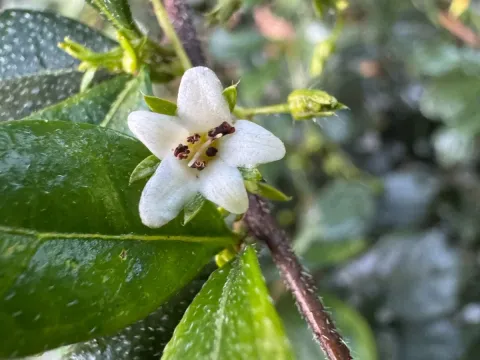
Ehretia
Ehretia
Propagation of Ehretia is typically achieved through seeds or stem cuttings. Fresh seeds should be sown in a well-draining, nutrient-rich potting medium immediately after collection to ensure high germination rates.
What the section contains
 Ehretia acuminata
Ehretia acuminata
Ehretia acuminata
 Ehretia amoena
Ehretia amoena
Ehretia amoena
 Ehretia anacua
Ehretia anacua
Ehretia anacua
 Ehretia aspera
Ehretia aspera
Ehretia aspera
 Ehretia cymosa
Ehretia dichotoma
Ehretia dichotoma
Ehretia cymosa
Ehretia cymosa
Ehretia dichotoma
Ehretia dichotoma
 Ehretia dicksonii
Ehretia dicksonii
Ehretia dicksonii
 Ehretia javanica
Ehretia javanica
Ehretia javanica
 Ehretia latifolia
Ehretia latifolia
Ehretia latifolia
 Ehretia macrophylla
Ehretia ovalifolia
Ehretia ovalifolia
Ehretia trachyphylla
Ehretia trachyphylla
Ehretia macrophylla
Ehretia macrophylla
Ehretia ovalifolia
Ehretia ovalifolia
Ehretia trachyphylla
Ehretia trachyphylla
 Fukien tea tree
Ehretia microphylla
Fukien tea tree
Ehretia microphylla
 Puzzle bush
Ehretia rigida
Puzzle bush
Ehretia rigida
Ehretia
Stem cuttings are taken from semi-hardwood during the active growing season. For optimal rooting success, treat the base of the cuttings with rooting hormone and place them in a humid, warm environment with indirect light.
The ideal temperature for germination and root development ranges from 20 to 25 degrees Celsius. Maintaining consistent moisture without waterlogging the substrate is crucial during the early stages of plant development.
Young plants should be hardened off before being transitioned to their permanent outdoor location. This gradual process helps the plant adjust to external environmental stressors like wind and varying light intensity.
Spring is the best time for propagation, providing the necessary photoperiod and temperature conditions to support rapid development and establishment of the root system.
Ehretia is a genus of flowering plants belonging to the Boraginaceae family. These plants are native to tropical and subtropical regions across Africa, Asia, and Australia, flourishing in warm climates.
The plant requires well-drained, fertile soil with a neutral to slightly acidic pH level. Good aeration is essential, as the roots are sensitive to anaerobic conditions caused by compacted or waterlogged soil.
Sunlight is a primary requirement for the healthy growth of Ehretia. While some species can tolerate partial shade, full sun exposure is necessary to promote optimal flowering and the development of a dense, robust canopy.
Watering should be consistent throughout the growing season, allowing the top layer of soil to dry slightly between applications. Overwatering is a common mistake that can lead to root system deterioration.
In temperate zones, Ehretia is often cultivated as a container plant. During winter months, it must be moved to a sheltered or frost-free environment, as most species are not cold-hardy and will suffer damage if exposed to freezing temperatures.
Common pests affecting Ehretia include aphids and spider mites, which thrive in dry air conditions. Regular monitoring of leaf undersides is recommended to detect early infestations and prevent population growth.
Fungal diseases, including powdery mildew, can occur when there is poor air circulation or excessive humidity around the plant. Proper spacing and strategic pruning are vital for maintaining good airflow.
Root rot is a major threat often caused by poor drainage or overwatering. Using a well-structured soil mix and ensuring that pots have adequate drainage holes are the best preventive measures for this condition.
Scale insects can attach to branches, causing sap depletion and overall weakening of the plant. If spotted, these should be removed manually or treated with horticultural oils or systematic insecticides.
Nutrient deficiencies or improper soil pH can cause yellowing of the leaves, known as chlorosis. Periodic soil testing and balanced fertilization help ensure that the plant receives all necessary micronutrients for healthy foliage development.
Ehretia is primarily utilized for its aesthetic value in landscaping and urban planting. Its ability to be trained into various shapes, including hedges or topiary, makes it highly versatile in garden design.
In some regions, the timber of certain Ehretia species is valued for its durability and is used in local woodcraft. However, its primary agricultural role is focused on soil stabilization and ornamental gardening.
Pruning is a critical maintenance task for Ehretia. Regularly removing dead or crossing branches promotes better growth, keeps the plant in a desired shape, and enhances its overall health and bloom density.
Seed harvesting should be performed when the fruits have reached full maturity, typically indicated by a change in color. Proper cleaning and storage are essential for maintaining viability for the next season.
Ongoing care involves regular fertilizing during the growing season to encourage vigorous growth. By managing these cultural practices, gardeners can ensure a healthy, long-lived specimen that serves its decorative purpose throughout the year.