
Puzzle bush
Ehretia rigida
Description
Growing requirements
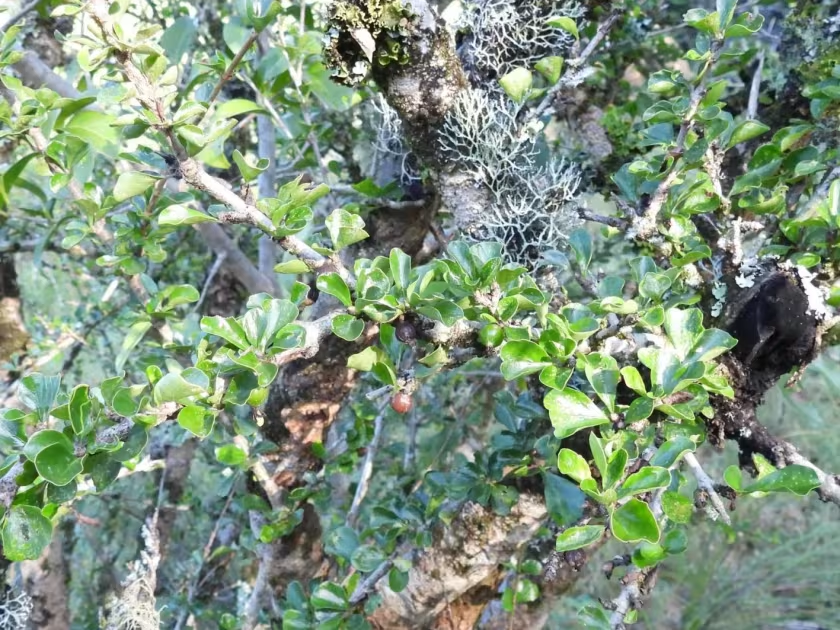
The Puzzle bush (Ehretia rigida) is a deciduous shrub or small tree belonging to the Boraginaceae family. It is characterized by a dense, intricate branching structure, which is responsible for its common name, and often features spines on its woody twigs.
Native to Southern Africa, this species is well-adapted to semi-arid climates and rocky landscapes. It thrives in full sun and requires well-drained soil, making it an excellent candidate for xeriscaping and sustainable garden projects in warm regions.
The plant is highly drought-tolerant once established, requiring minimal supplemental irrigation. It prefers warm temperatures and can withstand moderate frost, although young specimens benefit from shelter during the first winters in cooler zones.
Botanically, it features small, rough-textured leaves and produces clusters of fragrant white, mauve, or lilac flowers. Following the flowering period, it yields small, spherical fruits that are highly sought after by various bird species, enhancing garden biodiversity.
In terms of practical use, it is a versatile choice for landscaping, often utilized as a screening hedge or a focal specimen in naturalistic gardens. Its structural form and wildlife-attracting properties make it a sustainable asset in Mediterranean-style climates.
Main diseases and pests
The primary concern for Ehretia rigida is waterlogging, as the root system is adapted to dry conditions and may succumb to root rot in saturated, heavy soils. Proper drainage is the most vital factor in ensuring the plant's long-term health and growth.
Insect pests such as scale insects and spider mites may occasionally infest the foliage, particularly during periods of extreme heat and low humidity. Monitoring and maintaining healthy vigor are usually sufficient to prevent significant damage from these pests.
Poor air circulation within the dense canopy can sometimes invite fungal infections. Regular pruning to thin out the inner branches is recommended not only to shape the tree but also to promote healthy airflow throughout the crown.
During the establishment phase, small plants are susceptible to mechanical damage from browsing animals and rodents. Installing protective cages or guards during the first two years of growth can prevent bark stripping and stunted development.
In specific garden environments, aphids might cluster on new growth in the spring. While they rarely kill the plant, they can distort leaf development; therefore, washing the foliage with a steady stream of water is an effective, environmentally friendly control method.