
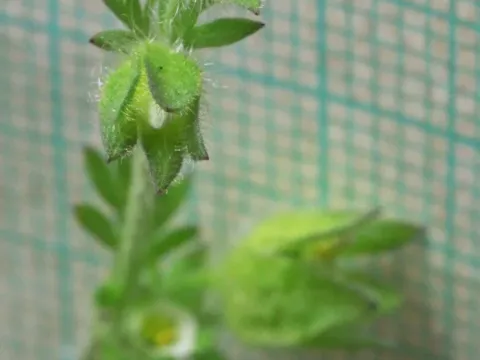
Ellisia
Ellisia
Ellisia, typically represented by the species Ellisia nyctelea, is an annual herbaceous plant that begins its life cycle in early spring. Sowing usually occurs shortly after the ground thaws, as the seeds require cool temperatures to initiate germination.
What the section contains

Ellisia
Agricultural success depends heavily on the timing of sowing. Early spring planting allows the plant to complete its vegetative growth before the heat of summer can inhibit its development. Delayed sowing often results in stunted plants that flower prematurely.
The seeds should be sown at a shallow depth of approximately 1 to 2 centimeters. Ensuring proper contact with the soil is essential, so a well-prepared seedbed with fine soil structure is highly recommended for maximizing germination rates.
Given the plant's potential for natural reseeding, planting density should be carefully managed. Spacing rows appropriately allows for easier mechanical or manual weeding, which is vital during the early stages of plant development.
In regions with fluctuating spring temperatures, it is crucial to protect the young seedlings from sudden frosts. While the plant is hardy, established plants handle cool weather better than newly emerged sprouts, making monitoring essential.
Ellisia belongs to the Boraginaceae family (formerly categorized within Hydrophyllaceae). It thrives in fertile, loamy soils that possess high organic matter content. A neutral soil pH is ideal for promoting vigorous nutrient uptake.
Adequate moisture is a primary requirement for this crop. The plant performs best when the soil remains consistently moist throughout the spring, as drought stress during the vegetative phase can lead to significant biomass loss.
Regarding light conditions, Ellisia is quite versatile but prefers partial shade or dappled sunlight. Intense, direct midday sun can be detrimental to the leaves, leading to scorching and reduced overall plant health.
Regular cultivation of the soil, such as hoeing between rows, is necessary to ensure proper aeration. This practice also helps in managing competing weeds, which can easily outpace the crop if left unchecked during the rapid growth phase.
The temperature range of 15°C to 22°C is optimal for the growth of Ellisia. If temperatures consistently exceed these levels, the plant will transition from vegetative growth to reproductive phase, limiting the harvest potential of the leafy mass.
Fungal pathogens represent the most significant threat to Ellisia, particularly in environments with poor air circulation or excessive moisture. Leaf spot diseases are common when plants are crowded and foliage remains damp for prolonged periods.
Slugs and snails are frequent pests that cause considerable damage to young leaves. These pests are particularly active in damp, shady conditions, necessitating the use of barrier methods or biological controls to protect the crop.
During drier and warmer spells, spider mites may infest the plants. These pests suck sap from the foliage, resulting in yellowing, loss of vigor, and potentially death of the plant if the infestation is not addressed promptly.
Aphids can also be problematic, as they not only damage the plant directly but also serve as vectors for various plant viruses. Controlling aphid populations is essential to maintaining the overall health and safety of the planting area.
Integrated pest management, including the removal of nearby weeds that host these pests, is the best strategy. Avoiding chemical overuse helps maintain the ecological balance and ensures the long-term sustainability of the planting site.
Harvesting Ellisia requires careful timing to capture the plant at its peak vegetative state. The optimal window for collection is typically before the full bloom, when the leaves are most tender and nutrient-dense.
Mechanical harvesting equipment should be set at a height that avoids contamination with soil and ensures that the base of the plant remains intact if regrowth or seed collection is desired. Gentle handling is necessary to prevent bruising the delicate foliage.
If the goal is seed production, harvest should be delayed until the seed capsules begin to brown. Special care must be taken during this phase to avoid shattering, as the seeds disperse easily once fully matured and dried.
Post-harvest management involves rapid cooling or immediate processing to maintain quality. Given the high moisture content of the leaves, they are prone to rapid wilting if not handled properly after cutting.
Storage of the harvested material must occur in a well-ventilated, cool environment. Excessive heat and humidity during storage will quickly degrade the quality of the harvested produce, emphasizing the need for efficiency in the post-harvest chain.