
Ehretia acuminata
Ehretia acuminata
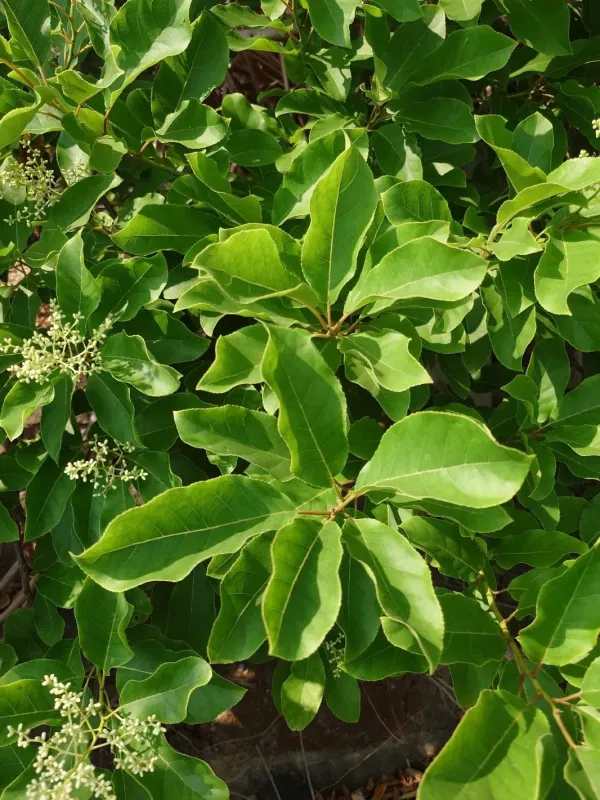
Description
Growing requirements
Ehretia acuminata, commonly known as Koda wood or silky ash, belongs to the Boraginaceae family. It is a tree species native to Eastern Asia and Australia, known for its rapid growth.
The tree thrives in subtropical environments where sunlight is abundant. It prefers deep, nutrient-rich soils that offer good drainage to prevent root rot.
Climatically, it prefers stable, warm temperatures. While it has some tolerance for cooler weather, it is best suited for zones that do not experience severe frost.
Consistent moisture is required for juvenile plants, though once established, the species shows a moderate tolerance to dry spells.
Agricultural management should include regular mulching to preserve soil moisture and promote organic matter integration around the root zone.
Yield
The timber of Ehretia acuminata is highly regarded in forestry. It is durable, fine-grained, and often used in carpentry and cabinet making.
This tree is frequently utilized in reforestation projects and windbreaks because of its dense crown and ability to adapt to varying soil conditions.
The edible berries produced by the tree are a significant food source for birds and small mammals, supporting local biodiversity in agroforestry systems.
In landscape architecture, it is a popular choice for urban planting schemes due to its aesthetic flowers and relatively low-maintenance nature.
The medicinal properties of the bark and leaves continue to be a subject of study, reflecting the tree's versatility in traditional and modern contexts.
Main diseases and pests
Leaf spot diseases can become a major concern if air circulation is hindered by excessively dense planting or poor site sanitation.
Pests such as scale insects may target stressed trees, causing yellowing of the foliage and reducing the photosynthetic efficiency of the plant.
Root system damage due to soil compaction is a common issue in managed landscapes, limiting the plant's nutrient uptake capabilities.
Severe infestations of foliage-chewing insects can lead to significant defoliation, requiring prompt intervention with biological controls.
Integrated pest management strategies focusing on promoting tree health are the most effective way to prevent outbreaks of common diseases.