
Ehretia anacua
Ehretia anacua
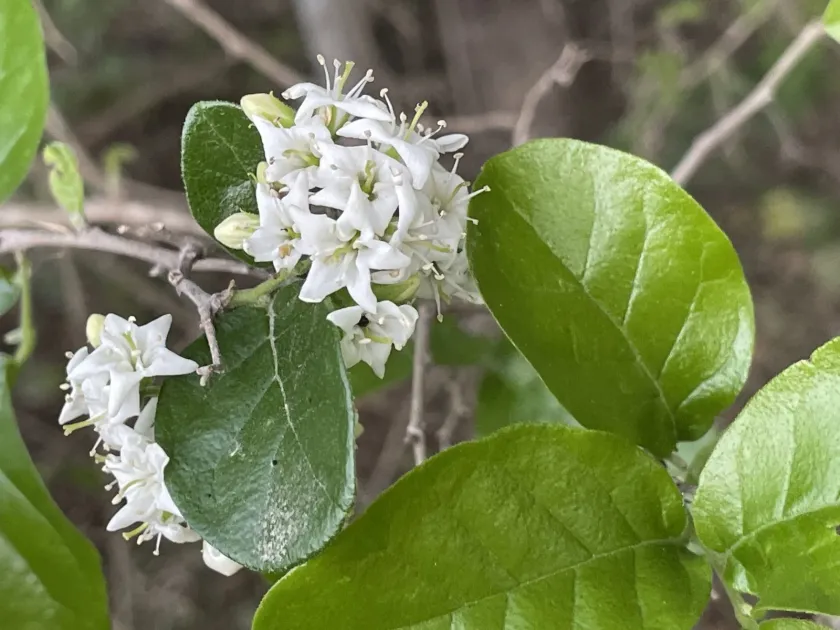
Description
Sowing dates
Propagation of Ehretia anacua is primarily achieved through seeds, which germinate reliably when exposed to appropriate environmental conditions.
Seed stratification is recommended to break dormancy and ensure uniform emergence, especially when planting in controlled nursery environments.
Cuttings can be taken from semi-hardwood stems in late summer, providing a viable alternative for clonal propagation of desirable specimens.
When sowing, utilize a well-draining potting medium to prevent seed rot, keeping the substrate consistently moist but not waterlogged during the germination phase.
Seedlings should be transplanted to larger containers once they develop their first set of true leaves, ensuring they receive filtered sunlight until established.
Growing requirements
Belonging to the Boraginaceae family, Ehretia anacua is a hardy tree species known for its remarkable adaptation to hot and semi-arid climates.
The species thrives in full sun exposure, which is critical for developing its characteristic dense foliage and promoting prolific flowering cycles.
It displays high tolerance for a wide variety of soil types, ranging from sandy loams to rocky substrates, provided they offer adequate drainage.
This tree is highly drought-tolerant once established, thanks to a deep and extensive root system capable of accessing water during prolonged dry seasons.
While adapted to warm environments, it can tolerate occasional light frosts, although extreme cold exposure may damage young branches and foliage.
Yield
Ehretia anacua serves multiple agricultural and ecological roles, acting as a key component in shelterbelts and sustainable landscape restoration projects.
Its primary value lies in its role as an ornamental and shade-providing tree, widely used in urban and rural planning to improve local environmental quality.
The small orange-red drupes serve as an essential food source for local bird populations and various small mammals throughout the ripening season.
The wood of this species is valued for its durability and hardness, suitable for crafting small specialized tools and artisanal wood products.
Apiculturists appreciate the tree for its significant nectar production during bloom, making it a valuable species for supporting local pollinator colonies.
Main diseases and pests
Ehretia anacua is exceptionally resistant to common pests and diseases, which significantly reduces the need for chemical interventions in its maintenance.
Occasionally, sap-sucking insects like aphids may colonize young shoots, but they rarely cause long-term health decline in mature specimens.
Poor soil aeration coupled with waterlogging remains the most significant threat to the tree, as it predisposes the root system to fungal pathogens.
Mechanical damage to the trunk or branches can provide entry points for secondary infections, necessitating careful pruning and maintenance practices.
Maintaining proper spacing between trees ensures adequate air circulation, which naturally minimizes the potential for foliage-related fungal issues.