
Ehretia dichotoma
Ehretia dichotoma
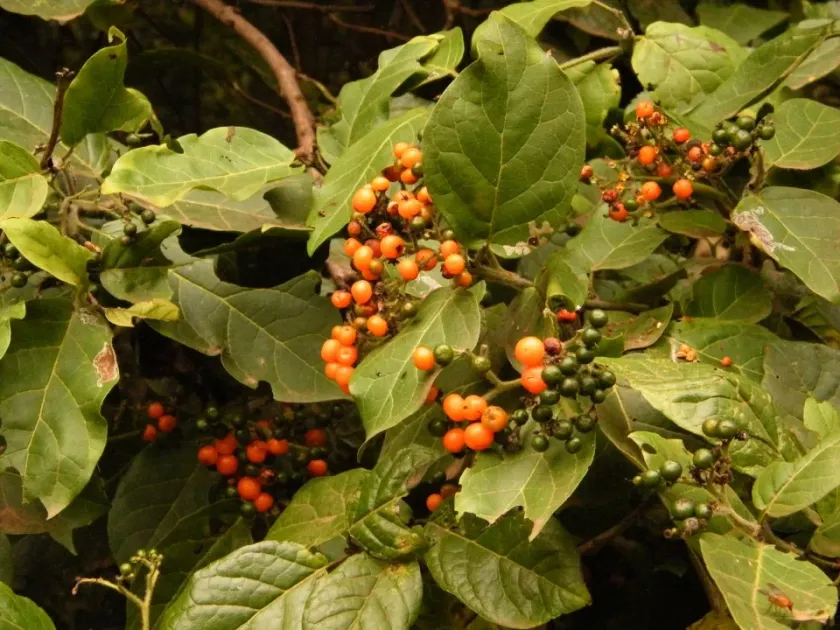
Description
Sowing dates
Propagation of Ehretia dichotoma is primarily performed using seeds or stem cuttings in controlled nursery environments. The optimal time for sowing seeds coincides with the onset of the rainy season, ensuring high germination rates and vigorous initial growth of young seedlings.
Seeds require pre-treatment such as stratification or soaking to improve coat permeability, which significantly accelerates the germination process. In commercial settings, seeds are sown in prepared substrates rich in organic matter while maintaining constant soil moisture and a temperature of around 25 degrees Celsius.
Transplanting young plants to their permanent location in forestry or orchard plots is conducted once they reach a height of 30–50 centimeters. It is crucial to protect seedlings from direct sunlight during the first weeks after planting to prevent root desiccation.
Spacing during planting depends on the intended purpose: dense schemes are used for establishing windbreaks or hedgerows, whereas for high-quality timber production, the distance between trees is increased to three or four meters.
The crop exhibits rapid growth rates in its juvenile stage, necessitating regular maintenance, weeding of the base zones, and ensuring sufficient light penetration for the optimal development of the tree canopy.
Growing requirements
Ehretia dichotoma belongs to the Boraginaceae family and is a sun-loving tropical species that thrives in regions with a distinct wet season. It grows successfully in open areas where solar radiation is consistently high throughout the year.
The plant has moderate soil requirements, preferring well-drained loamy or sandy soils with a neutral to slightly acidic pH. Waterlogging is detrimental to the crop; therefore, selecting sites without the risk of standing water is essential for successful cultivation.
The optimal temperature range for normal vegetation is 20 to 32 degrees Celsius. The plant is sensitive to prolonged frost, which limits its natural and artificial distribution to the tropical and subtropical zones of Asia.
Adequate air humidity is an important development factor. While mature trees demonstrate high drought tolerance, supplementary irrigation during the active vegetative growth phase is recommended for maximizing biomass accumulation.
In soils with high humus content, Ehretia forms its trunk and root system significantly faster, making it an excellent candidate for reforestation projects and the restoration of degraded forest ecosystems.
Yield
The economic value of Ehretia dichotoma lies primarily in its timber quality, characterized by its durability, fine-grained structure, and attractive color. These features make the species highly valued in local craftsmanship and woodworking.
The fruits of Ehretia are small drupes that are edible and utilized in local culinary traditions or traditional medicine. Fruit yield depends on the age of the tree and growing conditions, typically peaking between the 8th and 10th years of the plant's life.
The biomass of leaves and young shoots serves as a valuable forage resource for livestock in arid regions. Regular sanitary pruning not only improves wood quality but also stimulates the production of new fruit-bearing shoots.
Industrial timber production involves harvesting once the tree reaches the target stem diameter, which, under sustainable forestry practices, ensures a consistent output of high-value raw material per hectare of woodland.
The overall productivity of Ehretia plantations correlates with the intensity of agronomic practices, including organic fertilization and stand density management, which prevents competition for essential nutrients among trees.
Main diseases and pests
Specific diseases of Ehretia dichotoma include fungal infections of the bark and leaves, which often arise under conditions of high humidity and poor canopy ventilation. Timely sanitary pruning is effective in significantly reducing infection risks.
The main pests threatening plantations are leaf-eating insects, such as lepidopteran larvae, which can cause significant damage to leaf surface areas during periods of mass outbreaks.
Aphids and other sap-sucking pests may infest young shoots, slowing seedling development. Biological control methods, such as attracting natural entomophages to the planting site, are recommended for managing these pests.
Root system damage caused by soil-dwelling pests like beetle larvae is less common but can be critical for young plants. Using high-quality planting material and maintaining clean base strips helps to minimize such threats.
Monitoring the health status of the stands must be performed regularly, especially during rainy seasons. Early detection of infestation foci allows for prompt intervention without the need for aggressive chemical treatments.
Harvesting
Harvesting Ehretia dichotoma fruits is conducted manually as they ripen, which is typically indicated by a change in the drupe's skin color. It is important to harvest during dry weather to prevent spoilage during post-harvest storage.
Timber harvesting is performed during the winter or dry season when sap flow within the plant tissues is slowed. This facilitates better drying of the wood raw material and prevents the development of decay in harvested logs.
After felling, Ehretia logs require immediate primary processing—bark removal and trimming—which protects the material from cracking and xylophagous insect attacks. Proper logistics management is key to preserving the commercial value of the timber.
Storage of collected fruits must occur in well-ventilated rooms with low humidity to prevent mold development. Given the short shelf life of fresh fruits, rapid processing or drying is strongly recommended.
Long-term production planning must adhere to cyclic harvesting schedules based on age indicators of the stands and the potential for resource regeneration at specific sites.