
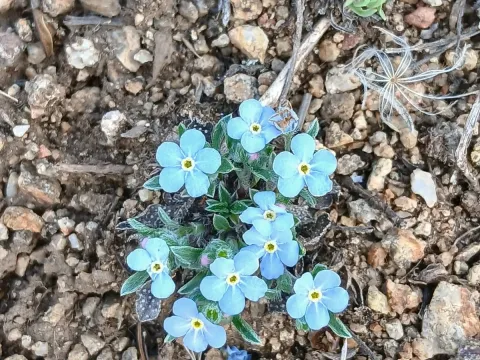
Eritrichium
Eritrichium
Eritrichium, commonly referred to as the alpine forget-me-not, belongs to the Boraginaceae family. This genus includes small, cushion-forming perennial herbs native to the harsh environments of the Arctic and mountainous regions across the Northern Hemisphere.
What the section contains


Eritrichium
Botanically, Eritrichium is distinguished by its dense rosettes of often hairy foliage and intense, brilliant blue flowers that appear in spring and summer. The plant has evolved to thrive in high-altitude, nutrient-poor conditions with extreme drainage.
The cultivation of this plant requires meticulous attention to its ecological needs. It demands a gritty, mineral-based, and well-drained substrate with a neutral to slightly alkaline pH, as it is highly prone to root rot in richer or heavier soils.
Environmental requirements include a cool, temperate climate with excellent air circulation and full sun exposure. In gardening, these plants are often considered specialized subjects, ideal for troughs, crevice gardens, or carefully managed alpine beds.
The primary horticultural application of Eritrichium is its use as a high-value ornamental plant for specialized collections and rock gardens, prized for its striking color and compact, architectural habit.
The most significant threats to Eritrichium in cultivation are fungal infections, particularly crown rot and grey mold (Botrytis), which are triggered by stagnant moisture and high humidity levels.
Preventative care is essential, which includes top-dressing the soil around the plant with coarse grit to ensure that the crown of the plant stays dry and avoids direct contact with wet soil.
Common insect pests include spider mites and aphids, which can infest the foliage during hot, dry spells, weakening the plant and making it more susceptible to secondary fungal pathogens.
Management strategies focus on maintaining optimal drainage, ensuring adequate airflow, and using targeted chemical or biological treatments when pest infestations are identified early.
Success with this culture requires constant monitoring of the environmental conditions, as even minor deviations in humidity or drainage can lead to significant physiological stress and plant mortality.