
Ehretia javanica
Ehretia javanica
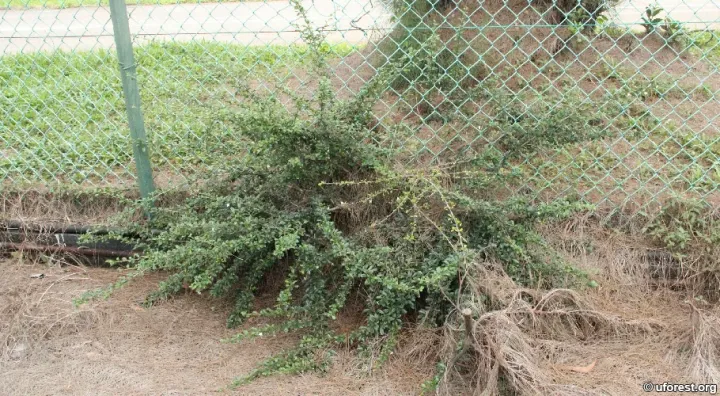
Description
Growing requirements
Ehretia javanica is a prominent tree species belonging to the Boraginaceae family. Known for its rapid growth rate and structural robustness, it plays a significant role in the ecosystems of its native tropical regions in Southeast Asia.
The natural habitat of this species is characterized by high humidity and consistent tropical temperatures. These conditions are ideal for the physiological development of the tree, allowing it to maintain a lush canopy throughout the year.
For successful cultivation, the plant requires deep, fertile, and well-drained soils. While it exhibits great resilience, it achieves the best development in sites where soil moisture is consistent, avoiding prolonged waterlogging during the growing season.
The agrotechnical management of this crop emphasizes the importance of selecting appropriate plantation densities. By providing enough space for crown development, foresters can ensure the healthy growth and structural integrity of each individual tree.
Economically, Ehretia javanica is valued for its wood quality and its contribution to reforestation projects. The species acts as a natural stabilizer for soils, helping to mitigate erosion in vulnerable tropical landscapes.
Main diseases and pests
Like many tropical tree species, Ehretia javanica can be susceptible to various insect pests that affect foliage and young stems. Implementing monitoring programs at the nursery level is essential to ensure healthy sapling production.
Fungal diseases are a primary concern in areas with high humidity and poor ventilation. Maintaining adequate spacing between trees and removing infected plant tissue are standard practices for managing and preventing the spread of such threats in plantations.