
Emmenanthe
Emmenanthe
Sowing Emmenanthe penduliflora should be performed in the spring season when the soil temperature consistently supports germination.
What the section contains

Emmenanthe
The seeds are notably small, requiring shallow sowing methods; they should be lightly pressed into the soil surface without deep covering.
Light is often a critical factor for seed germination in this species, so ensuring the seeds are not buried too deeply is essential for success.
For best results, direct seeding into the final growing location is recommended, as this species develops a fragile root system that suffers during transplanting.
Maintaining a consistent, light moisture level is crucial during the initial three weeks of growth to ensure uniform seedling emergence.
Emmenanthe belongs to the Hydrophyllaceae family and is native to the arid environments of the western United States, particularly California.
The plant thrives in full sun conditions and requires high light intensity to prevent legginess and to ensure robust floral production.
Well-draining, sandy, or rocky soil types are mandatory; the plant will struggle or die in heavy, clay-based, or constantly waterlogged soils.
While adapted to drought, providing occasional supplemental irrigation during long heatwaves will help extend the flowering period.
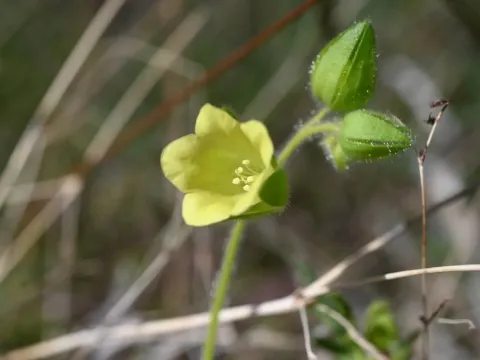
Botanically, it is known for its beautiful, nodding, bell-shaped flowers that appear in loose, terminal clusters throughout the summer months.
Root rot caused by stagnant water or excessive soil moisture is the primary physiological threat to the health of this crop.
Slugs and snails present a significant risk to young seedlings, often consuming the entire plant before it has a chance to establish.
Powdery mildew can occur if the plant is grown in areas with poor airflow or high relative humidity, leading to leaf discoloration.
Aphids occasionally infest the flowering stalks, which can weaken the plant and reduce the attractiveness of the pendulous blooms.
To mitigate these threats, maintain optimal plant spacing and keep the immediate area around the base of the plant free of debris and excess mulch.