
Ehretia macrophylla
Ehretia macrophylla
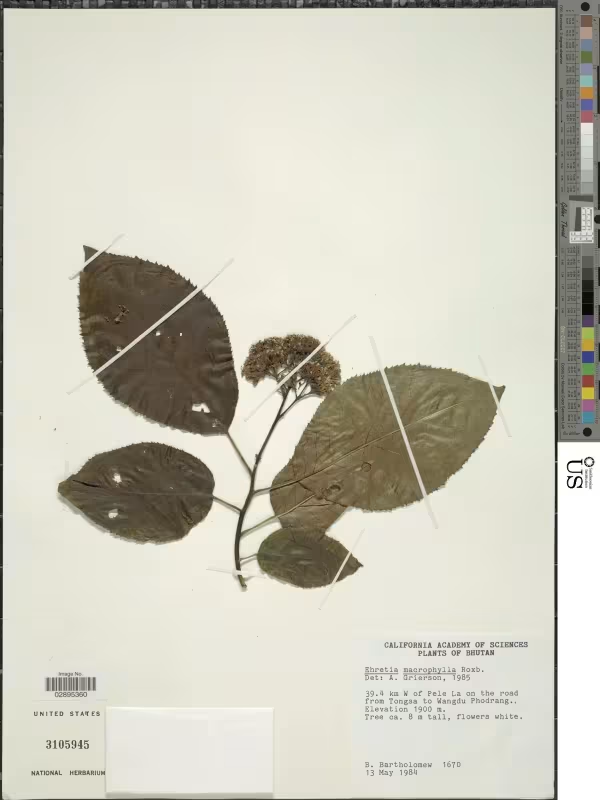
Description
Growing requirements
Ehretia macrophylla is a prominent member of the Boraginaceae family. It is a woody species native to regions characterized by tropical and subtropical climates, where it exhibits significant growth potential in its natural habitat.
The crop thrives in well-drained, nutrient-rich soils with a pH ranging from slightly acidic to neutral. Providing adequate space for root expansion is essential for the tree to reach its full structural maturity and vitality.
Climate requirements for this species are centered on warm temperatures and protection from harsh, drying winds. While the tree can adapt to various conditions, consistent soil moisture and moderate sunlight are necessary for healthy leaf development.
Botanically, Ehretia macrophylla is distinguished by its large, broad leaves and sturdy woody frame. It requires regular pruning during the dormant season to maintain its structural integrity and encourage strong branching.
The economic value of this tree is diverse, ranging from the utility of its timber in small-scale manufacturing to its role in urban landscaping. It is highly valued for its ability to provide shade and improve the local microclimate.
Main diseases and pests
Fungal pathogens represent the primary threat to Ehretia macrophylla, especially in environments with poor drainage. Root rot is a common issue that necessitates precise irrigation management to keep the soil healthy.
Insect pests, such as scale insects and mites, frequently target the foliage and younger stems of the tree. Effective management involves regular monitoring and the application of horticultural oils or approved systemic insecticides.
Boring insects can compromise the structural strength of the tree by damaging the inner wood layers. Early detection of exit holes and localized treatment are necessary to prevent severe infestations that could threaten the entire plant.
Environmental stress, including extreme fluctuations in humidity, can lead to leaf scorch or premature shedding. Maintaining a stable growing environment is crucial for building natural resistance against secondary infections.
Integrated pest management (IPM) practices, such as pruning infected branches and maintaining tree vigor through appropriate fertilization, are the best methods to ensure the longevity of the plantation.