
Ehretia cymosa
Ehretia cymosa
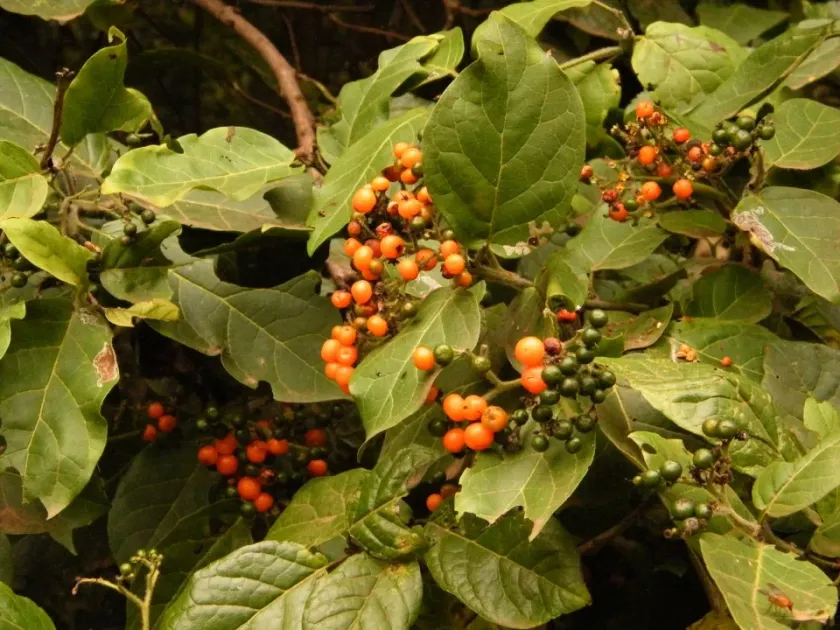
Description
Sowing dates
Ehretia cymosa is propagated primarily through seeds or semi-hardwood cuttings. Seeds should be sown immediately after harvesting, as they lose viability relatively quickly if stored improperly.
The optimal germination temperature ranges from 22 to 25 degrees Celsius. Ensuring a constant moisture level in the growing medium is critical during the initial germination phase.
When using cuttings, it is recommended to select healthy, semi-mature stems. Applying rooting hormones can significantly increase the success rate of propagation during the growing season.
Seedlings need to be protected from direct intense sunlight during their early developmental stages. Providing a partially shaded environment encourages healthier root and shoot formation.
Once the root system is well-established, young plants can be transplanted into larger pots or directly into the field, provided the climate is suitable for their growth.
Growing requirements
As a member of the Boraginaceae family, Ehretia cymosa thrives in tropical and subtropical environments. It prefers well-lit locations that allow for abundant photosynthesis and dense foliage production.
The soil should be fertile, well-draining, and rich in organic matter. Loamy soils are generally ideal, though the plant can adapt to various soil types if drainage is properly managed.
Watering requirements are moderate; the plant benefits from regular moisture but is susceptible to root rot if the soil remains waterlogged for extended periods.
The ideal temperature range is between 18 and 30 degrees Celsius. In regions with cold winters, the plant must be kept in controlled indoor environments to prevent frost damage.
Pruning is essential for maintaining the shape of the shrub and promoting the growth of new, productive branches. It also helps improve air circulation within the canopy.
Main diseases and pests
The plant is generally resilient but can be affected by common pests such as aphids and spider mites, especially when grown in indoor or greenhouse conditions.
Fungal infections can occur if humidity levels are too high and airflow is poor. Regularly inspecting the underside of leaves helps in early detection and management of pathogens.
Root rot is the most significant threat, often caused by over-watering or poor soil drainage. Ensuring that pots have adequate drainage holes is a primary preventive measure.
Scale insects may sometimes infest the stems, requiring manual removal or the application of insecticidal soaps to keep the plant healthy and productive.
Maintaining proper hygiene by removing dead or decaying leaves from around the base of the plant significantly reduces the risk of fungal spread and pest attraction.
Harvesting
Leaves and bark are harvested for traditional medicinal purposes. Selective harvesting from different parts of the shrub ensures the plant continues to grow vigorously throughout the year.
The edible fruits are harvested when they reach full maturity, indicated by a deep, dark coloration. Careful handling is required to avoid bruising the soft fruit tissue.
Post-harvest processing involves drying the leaves and bark in a cool, well-ventilated area to preserve their medicinal efficacy and prevent the development of mold.
Seed harvesting occurs when the fruits are fully ripe and beginning to dry naturally. They are then cleaned, processed, and stored in dry conditions for future planting.
The regular trimming of the canopy acts as a form of harvest, yielding biomass that can be used for mulch or fodder in local agricultural practices.