
Ehretia latifolia
Ehretia latifolia
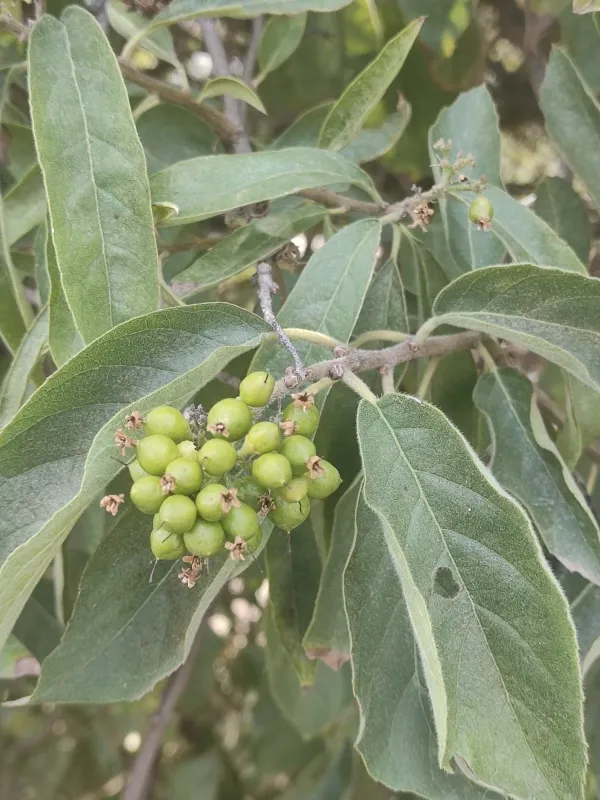
Description
Growing requirements
Ehretia latifolia is a notable plant species belonging to the Boraginaceae family. Characterized by its broad foliage and tree-like habit, it serves as a significant biological component in tropical forest ecosystems.
The plant originates from tropical regions where it thrives under warm and humid conditions. It is best suited for deep, nutrient-rich soils that offer excellent drainage, preventing waterlogging of the sensitive root zone.
In terms of climatic requirements, this culture favors regions with distinct seasonal growth patterns and high solar intensity. It is essential to protect young saplings from harsh winds and sudden drops in temperature during the early stages of development.
Botanically, the species is defined by its simple leaves and characteristic inflorescences. The structural integrity of the wood and the specific growth rate make it a subject of interest for sustainable forestry management.
The economic value of Ehretia latifolia lies primarily in its timber production and its utility in agroforestry systems. By providing canopy shade and organic matter, it facilitates the growth of smaller understory crops.
Main diseases and pests
Common threats to Ehretia latifolia plantations include fungal pathogens that colonize the root system if drainage is compromised. Monitoring soil moisture is crucial to prevent the onset of root-borne diseases.
Insect pests, particularly borers and leaf-eating larvae, represent a consistent pressure on tree health. Implementing integrated pest management strategies is the most effective way to maintain plantation productivity.
Defoliation events caused by climatic stress or pest outbreaks can significantly reduce the photosynthetic capacity of the tree. Providing adequate fertilization and irrigation helps trees recover from such stress factors.
Environmental factors, such as extended drought periods, weaken the host tree, making it susceptible to opportunistic pathogens. A diversified plantation design is recommended to minimize the risk of total crop loss.
Proper sanitation practices, including the removal of dead or infected branches, are essential to stop the spread of localized infections. Maintaining healthy, vigorous trees is the best defense against diverse biotic threats.