
Ehretia amoena
Ehretia amoena
Description
Growing requirements
Ehretia amoena is a perennial woody shrub or small tree belonging to the Boraginaceae family. Native to the tropical and subtropical regions of Eastern Africa, this plant is well-adapted to savanna environments and dry forest clearings.
The species is highly regarded for its resilience to extreme heat and prolonged dry spells. In a garden setting, it thrives best in full sun exposure, which ensures the development of a dense, healthy canopy and promotes seasonal flowering.
Soil requirements for Ehretia amoena are focused on drainage. It prefers light, sandy, or loamy soils with neutral to slightly alkaline pH levels. Waterlogging must be strictly avoided, as the plant is highly susceptible to root damage in stagnant, heavy water conditions.
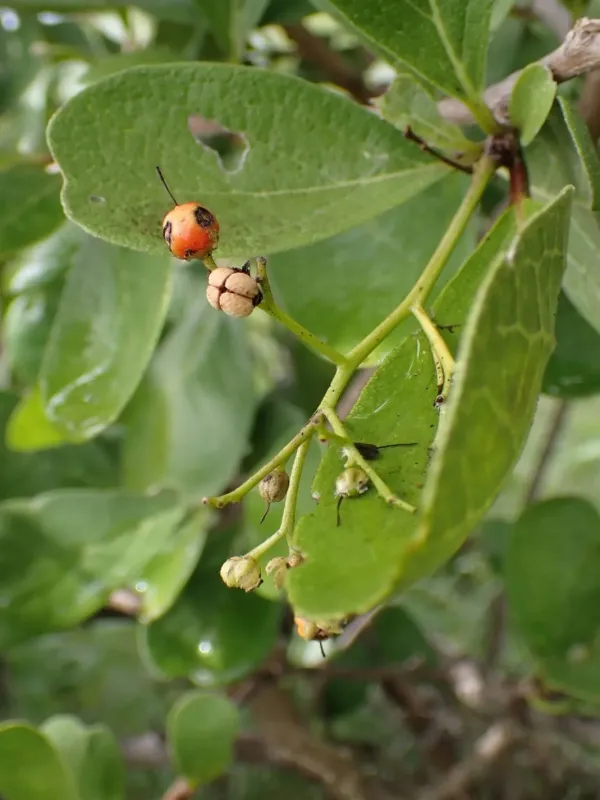
Botanically, the plant is characterized by its tough, leathery leaves which provide a natural defense against water loss. It produces aromatic inflorescences that are highly attractive to bees and other pollinators, contributing to local biodiversity.
Beyond its aesthetic value, this plant serves various practical purposes. It is widely used in landscape architecture to create functional windbreaks and hedge screens, and it also plays a significant role in traditional herbal practices within its native range.
Main diseases and pests
The primary threat to the health of Ehretia amoena is the proliferation of fungal pathogens. Root rot is a common issue when the plant is exposed to excessive irrigation or planted in poorly draining soils, leading to plant decay.
Common pests affecting the shrub include aphids, which tend to congregate on young, succulent shoots. Their feeding habits cause leaf curling and can lead to secondary infections if the plant is not treated with appropriate insecticidal soaps.
Spider mites are another common concern, especially during hot, arid periods. These pests drain the chlorophyll from leaves, resulting in stippled, discolored foliage. Regular misting or the application of acaricides can help manage these infestations effectively.
To maintain plant vitality, it is crucial to perform regular pruning. Pruning removes dead or diseased branches, improves airflow through the center of the crown, and prevents the buildup of humidity that favors fungal growth.
Balanced fertilization is recommended to bolster the shrub's natural immunity. By ensuring the plant receives adequate nutrients, growers can significantly enhance its resistance to both biological stressors and the occasional pest outbreaks typical of the dry season.