
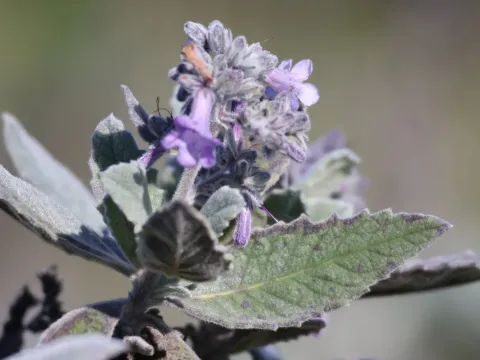
Eriodictyon
Eriodictyon
Eriodictyon belongs to the Boraginaceae family and is recognized as a genus of evergreen shrubs native to the western regions of North America, particularly California.
What the section contains


Eriodictyon
The cultivation of this plant requires well-drained, rocky or sandy soils that mimic the nutrient-poor conditions of its natural chaparral habitat.
It is a highly drought-tolerant species that thrives under full sun exposure, which is essential for the development of its signature resinous leaf coating.
Adequate soil aeration is critical, as the roots are extremely sensitive to waterlogging and hypoxic conditions in heavy or compacted soils.
The ideal climate for Eriodictyon is characterized by a Mediterranean pattern, featuring warm, dry summers and cool, wet winters, allowing for a balanced vegetative cycle.
The primary threats to Eriodictyon include fungal pathogens that emerge primarily when the plant is grown in poorly ventilated or excessively moist environments.
Root rot remains the most common issue in cultivation settings, usually caused by improper irrigation schedules or soil drainage inefficiencies.
Leaf-feeding insects and miners can occasionally infest the foliage, impacting the quality of the resinous substances produced by the plant.
The species possesses an inherent chemical resistance to many pests due to the high concentration of flavonoids and phenolic compounds in its leaves.
Maintaining plant health requires proactive cultural practices, such as ensuring proper spacing between plants and avoiding overhead irrigation during humid weather.