
Fukien tea tree
Ehretia microphylla
Description
Growing requirements
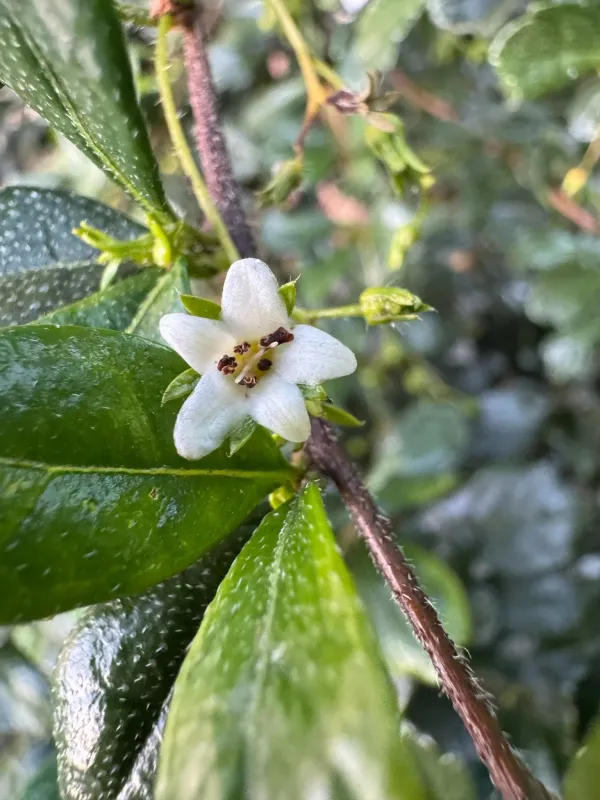
Ehretia microphylla, commonly known as the Fukien tea tree, is a woody shrub belonging to the Boraginaceae family. Originally native to tropical regions of Asia, it is highly valued for its dense, glossy foliage and small, fragrant white flowers that produce red berries.
The plant thrives in warm tropical climates and requires high levels of ambient light to maintain its compact growth habit. In cooler regions, it must be cultivated indoors or in greenhouses where temperatures stay above 15 degrees Celsius.
Soil requirements focus on high permeability; a well-draining substrate consisting of organic matter and inorganic aggregates is ideal. Proper drainage is essential to prevent water accumulation near the root collar, which the species dislikes.
Watering frequency should be adjusted based on the growth stage and environmental conditions. While the plant loves moisture, it is crucial to allow the surface soil to dry slightly before the next watering session to maintain root health.
As a widely used species for bonsai, it responds well to pruning and wiring. Regular maintenance allows the plant to develop a refined structure, making it a staple in the collection of indoor ornamental plant enthusiasts.
Main diseases and pests
One of the most frequent threats to this species is root rot caused by stagnant water in the pot. Ensuring a high-quality drainage layer and appropriate pot depth can effectively mitigate this significant physiological risk.
Spider mites are common pests that thrive in dry indoor environments. They cause stippling and yellowing of the leaves, necessitating regular misting and, if required, the application of targeted miticides or insecticidal soaps.
Scale insects can appear on branches and under leaf surfaces, drawing sap and weakening the plant. Mechanical removal or chemical treatment is necessary to prevent these pests from spreading to other parts of the canopy.
Powdery mildew may occur if ventilation is inadequate, especially when the plant is kept in high-density groupings. Improving air circulation is the most effective cultural method to prevent this fungal infection.
Nutrient deficiencies, particularly manifesting as leaf chlorosis, are observed when soil pH deviates from the optimal range. Regular testing of the substrate and precise fertilization prevent these growth issues.