
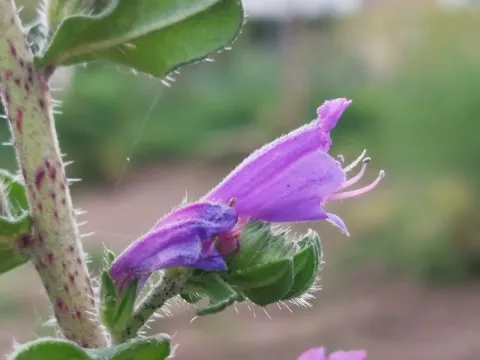
Echium rosulatum
Echium rosulatum
Echium rosulatum is a resilient herbaceous perennial plant belonging to the Boraginaceae family. It is increasingly recognized in sustainable agriculture as an effective plant for erosion control and a high-yield honey crop.
What the section contains
Echium rosulatum
The sowing process is best initiated in early spring when the soil temperature consistently reaches 8–10 degrees Celsius. The seeds exhibit high germination rates, provided they are placed in a properly prepared, weed-free seedbed.
The recommended seeding rate is approximately 4–6 kilograms per hectare. Due to the small size of the seeds, they should be sown at a shallow depth of 1–2 centimeters to ensure they receive sufficient light and moisture.
During the establishment phase in the first year, the plant focuses on developing a robust basal rosette of leaves. This vegetative structure serves as the energy storehouse required for subsequent years of blooming.
Post-sowing soil compaction using rollers is highly recommended. This practice ensures better capillary contact between the seeds and the soil, significantly increasing the probability of successful emergence in dry conditions.
This species is exceptionally adaptable and thrives in environments where other crops struggle. It is perfectly suited for poor, rocky, or sandy soil profiles, making it ideal for reclaiming marginal farmland.
Proper drainage is the most critical requirement for the successful cultivation of Echium rosulatum. It cannot tolerate waterlogged conditions, which may lead to root rot and eventual plant failure during the winter or wet seasons.
The plant demonstrates remarkable drought resistance, attributed to its deep taproot system. This makes it an excellent candidate for planting on steep, eroded slopes where water availability is limited and unstable.
Optimal growth requires full sun exposure throughout the growing season. While it is hardy, shade-grown specimens often show weaker stems and a significant decline in flower production and nectar output.
It prefers neutral to slightly alkaline soil conditions. Generally, fertilization is not necessary, as the plant is efficient at utilizing available soil nutrients, though organic matter can boost initial development.
The primary economic output of Echium rosulatum is its exceptional nectar yield. Beekeepers value this crop for its ability to provide a consistent and abundant nectar source, leading to high-quality honey production.
The blooming period is notably extended, providing a stable source of food for pollinators during the mid-summer months. Optimal nectar secretion is observed under warm, sunny conditions with adequate air humidity.
While the green biomass can contribute to soil fertility when incorporated back into the field, its primary utility remains in apiculture. The flowers are highly attractive to honeybees and wild pollinator species.
A well-established stand can remain productive for several consecutive years. However, to maintain peak nectar density, growers often plan for renewal or rotational sowing every four to five years.
Honey derived from this species is known for its mild flavor and slow crystallization rate. Its chemical composition makes it a premium product, highly sought after in ecological and organic food markets.
Echium rosulatum boasts a strong natural defense system, making it relatively resistant to most major agricultural pests and diseases. Extensive chemical spraying is almost never required for this crop.
During exceptionally wet or humid summers, powdery mildew may appear on the foliage. Proper planting spacing and airflow management are the most effective preventive measures against fungal growth.
Leaf-eating caterpillars may occasionally cause minor damage, but they rarely reach infestation levels that impact the overall nectar output. Natural predation usually keeps such pest populations under control.
The biggest threat to a new stand is competition from aggressive weeds during the first year of growth. Once the rosette is fully established, it effectively outcompetes most weeds, creating a self-sustaining patch.
Growers should monitor for root pathogens if soil moisture control is not optimal. Rotating the crop site and ensuring good soil structure are the standard agronomic practices to prevent long-term pathogen accumulation.