
Egyptian bugloss
Anchusa aegyptiaca
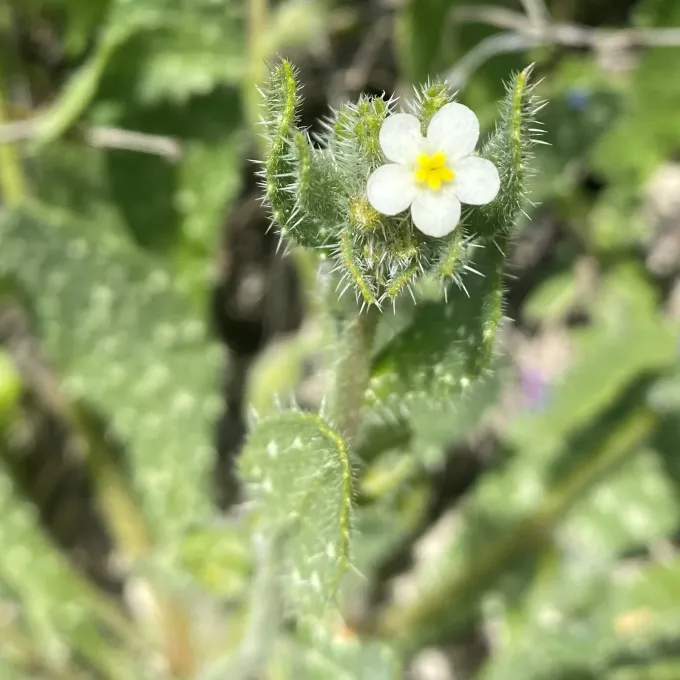
Description
Sowing dates
Anchusa aegyptiaca is an annual plant species characterized by a rapid growth cycle, well-adapted to arid environments. The ideal time for sowing is during the spring season once the threat of frost has completely passed and the soil has achieved a stable temperature.
In regions with shorter growing seasons, starting seeds indoors approximately four to six weeks before the last expected frost is highly recommended. This ensures strong seedlings capable of thriving once transplanted.
The seeds require shallow sowing, typically covered with only a light dusting of substrate, as they often benefit from light exposure during germination. Consistent, light moisture should be maintained throughout the sprouting period.
When transplanting, careful handling of the root ball is essential to prevent shock, as this species is sensitive to root disturbance. Space plants approximately 25 to 30 centimeters apart to ensure optimal airflow and light distribution.
Successful germination usually occurs within ten to fourteen days under favorable conditions, with temperatures ranging from 18 to 22 degrees Celsius.
Growing requirements
As a member of the Boraginaceae family, Egyptian bugloss is naturally evolved for drought tolerance. It excels in Mediterranean-type climates where summer moisture is limited and sunlight is abundant.
The soil requirement for this crop is primarily focused on drainage. Anchusa aegyptiaca cannot tolerate waterlogged conditions, making well-drained sandy or gritty loam the ideal choice for its cultivation.
Full sun exposure is a non-negotiable requirement for this species. When planted in shaded areas, the plants tend to become leggy and lack the structural integrity required to support their flowering heads.
The plant thrives in soil with a neutral to slightly alkaline pH level. In its native habitat, it is frequently found in open fields and rocky slopes where soil aeration is naturally high.
Minimal fertilization is necessary for this species. Over-fertilization, especially with nitrogen, can lead to excessive foliage growth and reduce the overall attractiveness and abundance of the blooms.
Main diseases and pests
The primary health risk for Egyptian bugloss is fungal infection associated with high humidity levels and poor ventilation. Excessive rainfall or improper overhead irrigation can lead to root and crown rot.
Pests such as aphids or certain leaf-feeding insects may occasionally infest the foliage, particularly if the plant is under stress from drought or nutrient imbalance.
Implementing a proper spacing strategy is the most effective cultural method to prevent the spread of diseases, as it allows for adequate drying of the foliage after rain or dew.
In the event of a significant pest outbreak, targeted interventions using mild organic insecticides are preferred to maintain the health of the plant while ensuring compatibility with the surrounding environment.
Maintaining a clean growing area by regularly removing spent debris and weeds will further mitigate the risk of pathogen buildup, keeping the crop healthy throughout its short life cycle.