
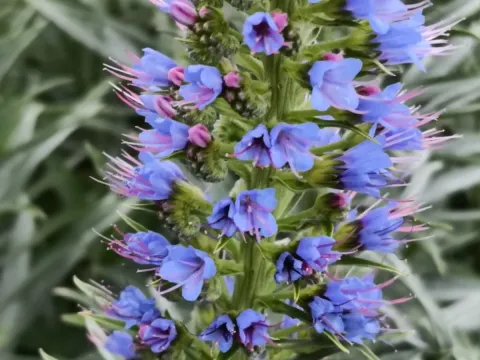
Echium webbii
Echium webbii
Echium webbii is typically propagated through seeds, which require specific preparation to ensure optimal germination rates. Sowing should occur in spring, once the soil has warmed sufficiently and the risk of late frosts has completely passed.
What the section contains
Echium webbii
Seeds of this species often benefit from a short period of stratification to break dormancy. This process mimics the natural seasonal cycle and leads to more uniform seedling emergence, which is essential for uniform crop development across the field.
When sowing in field conditions, the spacing between rows must be carefully managed. Proper plant density is critical for ensuring that individual plants have enough space to develop their characteristic rosette foliage and subsequent flower spikes.
The seeds should be sown at a shallow depth to ensure they receive sufficient light for successful germination. Light irrigation post-sowing helps to secure the seeds in the substrate and maintains the moisture levels required for the early stages of growth.
During the first year, the crop focuses on establishing a strong root system and a rosette of leaves. This vegetative phase is essential for the plant's survival and performance in its second year, when the main flowering stalks are produced.
Echium webbii originates from the Canary Islands, which dictates its preference for well-drained, sunny locations. It thrives in open environments with maximum sun exposure, which is necessary for healthy photosynthesis and nectar synthesis.
The crop is highly adapted to poor, stony soils, making it a sustainable choice for marginal land. However, for agricultural purposes, neutral to slightly alkaline sandy-loam soils are ideal for achieving vigorous plant health and high productivity.
While known for its drought tolerance, the species performs best when provided with moderate moisture levels during its active growth phases. Over-watering is detrimental and can lead to root system failure, so maintaining a well-drained soil structure is paramount.
Temperature requirements are centered around moderate ranges. While the plant is resilient, it should be protected from harsh, freezing winter conditions, which can damage the crown and inhibit regrowth in the following season.
Fertilization should be handled with caution, as high levels of nitrogen encourage vegetative growth at the expense of flower production. A balanced approach with minimal application of slow-release fertilizers is usually sufficient to support the plant's nutritional needs.
Root rot is the most significant threat to Echium webbii, especially in regions with high precipitation or poor drainage. Managing soil moisture and preventing waterlogging are the most effective preventative strategies against these pathogens.
Aphids can become a nuisance during the flowering stage, potentially impacting nectar availability for pollinators. Monitoring the population levels and taking timely, non-toxic interventions is crucial to preserving the ecological value of the crop.
Powdery mildew may develop if plants are spaced too closely, reducing airflow. Maintaining appropriate planting distances and ensuring low humidity around the foliage are effective cultural practices to keep the plants free from fungal issues.
Integrated pest management (IPM) is recommended to protect the crop without harming the beneficial insect populations, such as bees, that rely on it for food. Selective use of biological agents is preferred over broad-spectrum pesticides.
Regular visual inspections of the plantations help in identifying early signs of distress or pest infestation. Addressing these issues early prevents widespread damage and ensures that the crop maintains its aesthetic and agricultural productivity.