
Echium simplex
Echium simplex
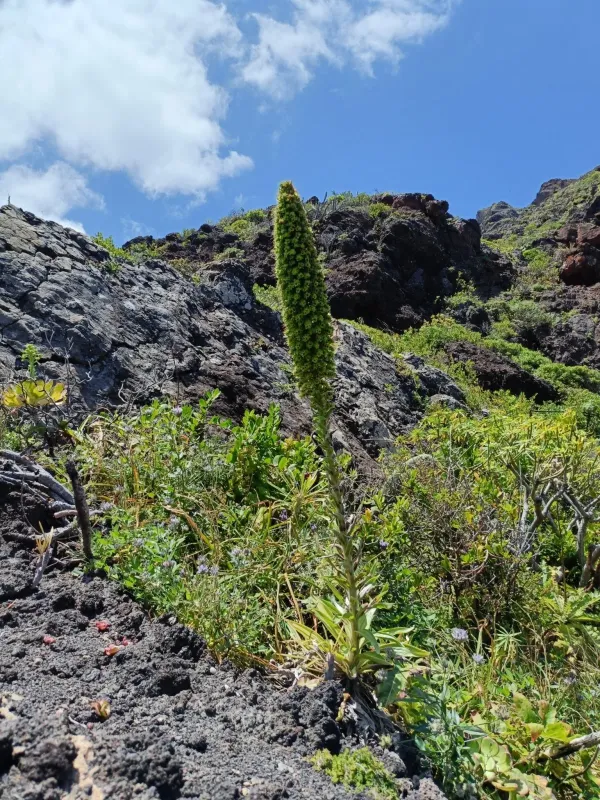
Description
Sowing dates
The sowing of Echium simplex is typically performed in early spring once the soil temperature is consistently above 10 degrees Celsius. Ensure the seedbed is finely prepared to accommodate the small size of the seeds.
Row spacing should be maintained between 45 and 60 centimeters to allow for optimal airflow and light penetration, which are essential for healthy development.
Seeds should be sown at a shallow depth of approximately 1 to 2 centimeters. Surface broadcasting followed by light rolling is highly effective in ensuring optimal seed-to-soil contact.
For regions with mild climates, late autumn sowing can be a viable option, allowing the seeds to germinate naturally with the first moisture of the season.
The standard seeding rate is 3 to 5 kilograms per hectare, depending on the desired plant density and the germination quality of the seed lot.
Growing requirements
Echium simplex thrives in well-drained, sandy, or rocky soils with neutral to slightly alkaline pH levels. It is highly sensitive to waterlogged conditions, which often cause root decay.
This species is exceptionally drought-tolerant once established, owing to its deep taproot system. It prefers full sun exposure, which is necessary to maximize nectar production.
The plant requires moderate temperatures for optimal growth and is not frost-hardy. It is endemic to the Canary Islands, so cultivation in colder regions requires careful protection or greenhouse management.
Nitrogen-rich fertilizers should be applied with caution; instead, focus on potassium and phosphorus supplementation to enhance structural integrity and flower development.
Proper field drainage is the most critical factor for success; low-lying areas or clay-heavy soils are generally unsuitable for large-scale production.
Yield
The primary economic value of Echium simplex lies in its function as a high-performance honey plant. It produces significant quantities of nectar that are highly attractive to honeybees and pollinators.
Honey yields can be substantial, with the plant capable of producing several hundred kilograms of honey per hectare under optimal environmental conditions and managed pollination.
For seed production, yield management is challenging due to the indeterminate flowering habit. Strategic harvesting is required to maximize the recovery of mature seeds.
The inclusion of this crop in agricultural systems helps improve local biodiversity, which in turn supports the health and productivity of adjacent crops requiring cross-pollination.
Plant stands usually remain productive for 1 to 2 years, making it necessary to implement a rotational strategy to maintain a consistent supply of nectar resources.
Main diseases and pests
Aphid infestations are the most frequent pest issue, particularly targeting the tender buds and floral stalks during the peak growing season.
Fungal diseases, such as powdery mildew or root rot, may occur if the stand is too dense or if the soil moisture levels are consistently high for an extended period.
Tarnished plant bugs can damage the developing inflorescences, potentially causing distorted flowers and a significant reduction in nectar output.
Given the status of Echium simplex as a major honey plant, the use of chemical pesticides must be avoided to protect bee populations. Integrated pest management (IPM) focusing on biological control is preferred.
Good cultural practices, such as maintaining proper plant spacing and avoiding waterlogging, are the most effective ways to minimize disease incidence.
Harvesting
Harvesting seeds requires careful timing because the plant produces seeds sequentially. The harvest should commence when the lower portion of the floral spike shows signs of maturity.
Cutting should be performed during the early hours of the morning to minimize the risk of seed shattering, which is a common issue with mature Echium species.
The harvested material must be dried thoroughly under shade in well-ventilated areas to ensure that the moisture content is reduced to safe levels for storage.
Threshing should be done with settings optimized to prevent mechanical damage to the seeds, followed by a cleaning process to remove plant debris and dust.
Stored seeds should be kept in a cool, dry environment with good airflow, ensuring they remain viable for the upcoming planting season.