
Echium glomeratum
Echium glomeratum
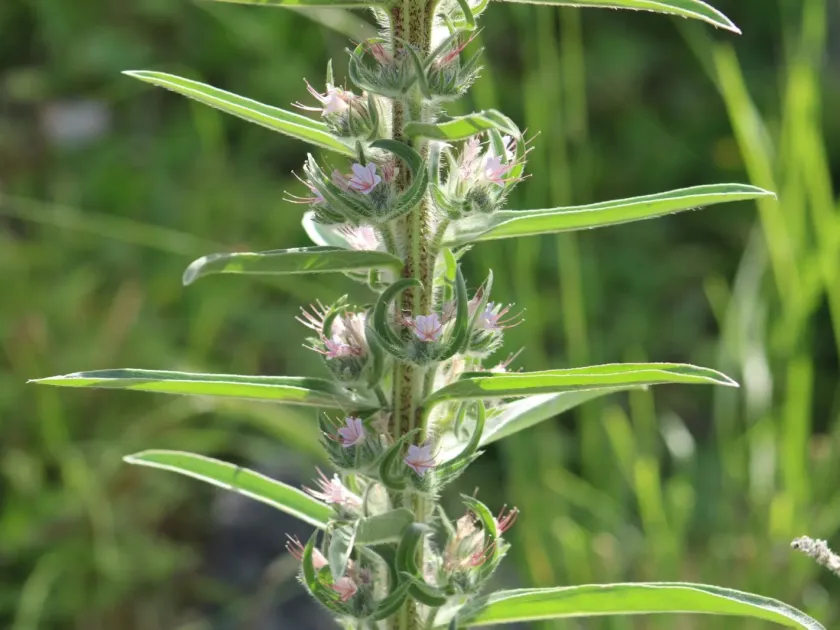
Description
Sowing dates
Echium glomeratum is a herbaceous perennial that is most commonly sown in early spring, as soon as the soil warms up to 8–10 degrees Celsius. For uniform germination, seeds require high-quality pre-sowing treatment and adequate moisture in the topsoil.
Winter sowing is also possible and often practiced in regions with a temperate climate to utilize early spring snowmelt moisture more effectively. The seeding depth should not exceed 1.5–2 centimeters, which ensures optimal germination energy for the seeds.
When grown as a honey plant or forage crop, a row-cropping method with spacing of up to 45–60 centimeters is recommended. This allows for mechanized soil cultivation between rows during the initial stages of the plant's vegetation.
The seeding rate per hectare depends on the desired plant density and typically ranges from 4 to 6 kilograms, provided the seed material has high viability. It is important to maintain spatial isolation from other Boraginaceae species to ensure purity.
In the first year of life, the plant develops a robust rosette of basal leaves and a deep taproot system, while the main flowering and generative development occur in the second year after sowing.
Growing requirements
Echium glomeratum belongs to the Boraginaceae family and is a relatively undemanding plant regarding soil composition. It grows successfully in dry, rocky, and sandy soils where other agricultural crops fail to produce high yields.
The crop is highly drought-tolerant and photophilous; therefore, for maximum biomass or nectar production, it is necessary to choose the most illuminated areas of the field. Excessive moisture and waterlogging are detrimental to the root system of this plant.
The optimal soil pH level for cultivation is neutral or slightly alkaline. On heavy clay soils, the plant develops more slowly, necessitating additional loosening to ensure root aeration.
The plant exhibits excellent winter hardiness, allowing it to be grown in various climatic zones without the risk of winterkill. During soil preparation, the application of phosphorus-potassium fertilizers is recommended to stimulate the development of a strong stem.
Agrotechnical measures should include weed control in the first year of vegetation, as young shoots of the plant are sensitive to competition for sunlight and essential nutrients.
Yield
The main use of Echium glomeratum is in apiculture, as it is considered one of the most productive honey plants. Under favorable conditions, nectar production can reach significant levels, ensuring stable yields of high-quality honey.
Echium honey is known for its light color, pleasant aroma, and slow crystallization. This makes it a sought-after market product, and incorporating this crop into honey-flow corridors significantly increases the profitability of apiaries.
As a forage crop, it is used less frequently, although its green mass can be harvested before the onset of massive flowering to produce hay. One must consider the presence of stiff hairs on the stems, which limits the direct consumption of fresh material by certain livestock.
Seed yields in specialized seed farming can reach 3–5 centners per hectare. To prevent seed shattering, harvesting is performed in two stages or via desiccation when the majority of inflorescences reach full maturity.
General biomass productivity strongly depends on seasonal weather conditions and planting density, yet the plant is capable of regenerating after partial mowing, maintaining high viability over several years.
Main diseases and pests
Echium glomeratum is highly resistant to most typical agricultural pests due to the specific chemical composition of its leaves and stems. However, during periods of high humidity, it can be susceptible to fungal diseases.
A typical problem can be powdery mildew, which manifests as a white coating on the leaves. Prevention involves adhering to seeding standards and avoiding excessive crop density, which improves airflow through the plant canopy.
Pests such as weevils or bugs can damage the plant's reproductive organs during the budding stage. Monitoring insect populations allows for timely decisions regarding the necessity of biological or chemical protection measures.
Root rot may occur in waterlogged areas, leading to the premature death of individual plants. Regular inspection of the root collar is a vital element of agronomic crop health monitoring.
Weed infestation during the early vegetative period poses the greatest threat, making mechanical or chemical weed control in rows a necessary condition for proper crop formation.