
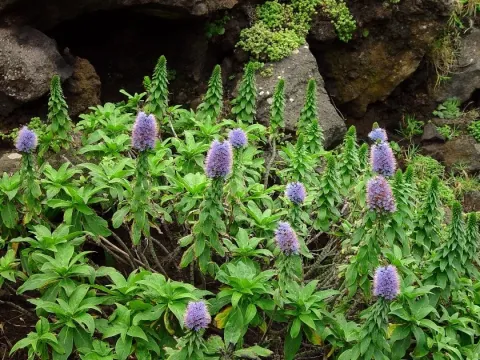
Echium portosanctensis
Echium portosanctensis
Echium portosanctensis is a distinct plant species belonging to the Boraginaceae family, native to the island of Porto Santo in the Madeira archipelago. As a cultivated crop, it requires specific environmental conditions that mirror its Mediterranean origin.
What the section contains
Echium portosanctensis
Seeds are sown into a well-draining substrate, as this plant is highly sensitive to moisture accumulation around the root neck. The optimal sowing time is early spring, once stable, warmer night temperatures are guaranteed.
Seedlings emerge successfully when provided with moderate humidity and bright, intense sunlight. It is essential to ensure adequate spacing, as a mature plant can develop a wide, robust habit.
In temperate zones, this species is frequently cultivated as an ornamental greenhouse or patio plant. Transplanting into open soil is only recommended after the final threat of spring frost has passed.
For large-scale or seed production, maintaining precise spacing between individual plants is critical to facilitate air circulation, which is vital for preventing the onset of humidity-related issues.
This culture has high demands for intense solar radiation. In low-light conditions, the stems tend to etiolate, significantly reducing both the plant's decorative appeal and its biological productivity.
The plant thrives in rocky, sandy, or loamy soils with superior drainage capabilities. Acidic or heavy clay soils are generally unsuitable and can cause physiological distress to the plant.
Echium portosanctensis is characterized by high drought tolerance, making it a viable candidate for gardening in arid and warm climates. Excessive irrigation remains the primary threat to the health of its root system.
The species is sensitive to freezing temperatures. Even brief exposure to frost can damage vegetative parts, necessitating winter protection or relocation to a sheltered environment in cooler climates.
Mineral nutrition must be balanced, focusing primarily on potassium and phosphorus. Nitrogen-based fertilizers should be applied with caution to avoid excessive, soft tissue growth that becomes susceptible to pathogen attacks.
The primary agricultural application for this plant is in beekeeping and landscaping. It is highly valued for its prolonged flowering period and its capacity to produce rich, accessible nectar.
As a nectar-producing plant, Echium portosanctensis contributes positively to the composition and quality of honey. A healthy, mature bush can sustain active pollinator forage for several consecutive weeks.
Seed yield varies depending on environmental conditions during the flowering phase. The presence of natural pollinators is a critical factor in ensuring an adequate harvest of viable seed material.
Biological productivity is directly linked to adherence to temperature requirements and the quality of light exposure. Proper cultivation practices allow the bush to develop massive inflorescences, maximizing the output.
Beyond beekeeping, the plant is also utilized in xeric gardening, where it is appreciated for its architectural form and low maintenance requirements regarding soil fertility.
The main threats to this culture are fungal diseases, which typically develop under conditions of high humidity, poor soil drainage, or stagnant air around the plants.
Root rot is the most frequent pathological issue, often resulting from poorly aerated soils or excessive watering regimes that prevent the substrate from drying out between applications.
Pests such as spider mites can occur when the plant is grown in closed environments with low atmospheric humidity. Periodic monitoring of the foliage is necessary to detect and manage early infestations.
Aphids may occasionally colonize soft inflorescence tips, extracting sap and reducing the visual quality of the plant. Biological control agents are often effective for managing these infestations.
Proactive disease management centers on strictly following agrotechnical norms: ensuring high-quality drainage, maintaining sufficient distance between plants, and practicing careful, measured irrigation.