
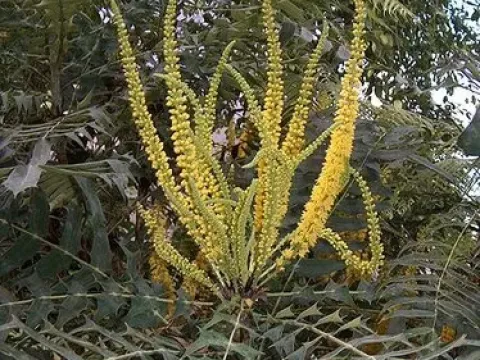
Berberis oiwakensis
Berberis oiwakensis
Berberis oiwakensis is a perennial shrub belonging to the Berberidaceae family. Originating from the mountainous regions of Taiwan, this species is well-adapted to cooler climates and higher elevations, making it a distinct botanical entity.
What the section contains
Berberis oiwakensis
The plant thrives in well-drained, fertile soil with a slightly acidic to neutral pH level. It is essential to ensure that the planting site has an effective drainage system to prevent waterlogging, which the root system cannot tolerate.
In terms of environmental conditions, this barberry prefers locations with ample sunlight or light shade. It is relatively drought-tolerant once established but requires consistent irrigation during its initial growth stages to ensure proper root establishment.
Agricultural techniques focus on regular pruning to maintain the desired structure of the shrub and encourage denser foliage. This plant is widely used in landscape architecture for creating borders, screens, and prickly hedges that act as natural barriers.
Propagation is typically performed via cuttings or seeds. Seed propagation requires a period of cold stratification to break dormancy and ensure high germination rates, reflecting its mountainous provenance.
Common fungal issues include powdery mildew and rust, especially in humid conditions with poor air circulation. Providing adequate spacing between plants is a primary preventative measure to minimize the spread of airborne spores.
Pests such as aphids and sawflies are the most frequent threats, capable of causing significant leaf damage if left unchecked. Early detection through regular visual inspections is crucial for maintaining the plant's ornamental quality.
Integrated pest management, including the use of systemic insecticides and proper sanitation, is recommended. Keeping the base of the shrub clean from fallen leaves and debris reduces the sites where pests may overwinter.
Vigilance is required to detect early signs of root rot, which often appears as a result of poor soil aeration. If roots show signs of decay, immediate corrective measures regarding soil drainage must be implemented to save the specimen.
The overall resilience of the plant is significantly improved by proper fertilization. Applying balanced organic mulch around the base supports soil health and moisture retention without interfering with the aeration of the root zone.