
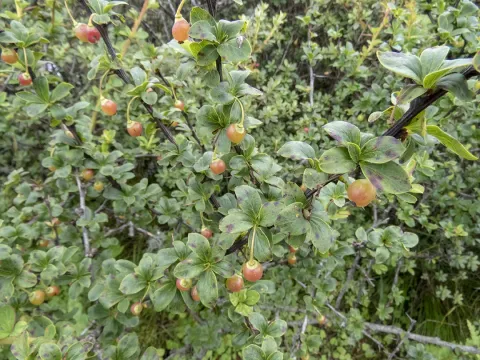
Berberis parisepala
Berberis parisepala
Berberis parisepala is a distinct species within the Berberidaceae family, originating from the mountainous regions of China. This shrub is highly valued for its botanical resilience and unique foliage characteristics that make it suitable for various climatic zones.
What the section contains
Berberis parisepala
The plant thrives in well-drained, fertile soil with a pH level ranging from slightly acidic to neutral. Ensuring proper drainage is critical, as the roots are susceptible to rotting if exposed to prolonged waterlogging or anaerobic soil conditions.
Regarding light requirements, Berberis parisepala prefers partial shade or dappled sunlight. While it can tolerate full sun in cooler regions, intense afternoon heat can scorch the leaves, so careful site selection is essential for optimal development.
Regular maintenance involves moderate watering, especially during the establishment phase or extended dry spells. Mulching around the base of the plant helps to maintain soil moisture levels and protects the shallow root system from extreme temperature fluctuations.
In landscaping, this species is frequently utilized for its structural form, making it an excellent choice for hedge planting or mixed garden borders. Its ability to withstand pruning allows for various aesthetic shapes, enhancing the visual appeal of garden designs.
Like many species in the genus, Berberis parisepala is vulnerable to fungal infections, most notably powdery mildew. This disease typically appears as a white, dusty layer on the foliage, often triggered by poor air circulation and high humidity.
Rust diseases are another common threat, which can lead to premature leaf drop and overall plant stress. Applying fungicide treatments and maintaining good airflow through regular pruning are the most effective strategies for long-term control.
Pest pressures often include aphids, which colonize young, tender shoots and extract plant fluids. Early detection is important to prevent stunted growth and the transmission of secondary plant diseases by sap-sucking insects.
Leaf-eating insects, such as beetles or sawfly larvae, can also cause localized damage to the foliage. Integrated Pest Management (IPM) practices, including biological controls or targeted insecticides, are recommended to maintain plant vigor while minimizing chemical exposure.
Sanitation practices are essential for managing health, including the thorough removal of fallen foliage in autumn to prevent the overwintering of pathogens. Keeping the planting area clean significantly reduces the recurrence of seasonal infections.