
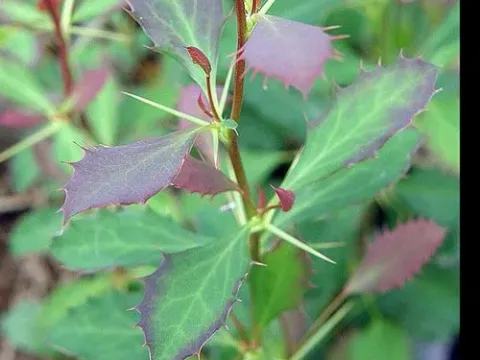
Berberis orthobotrys
Berberis orthobotrys
Berberis orthobotrys is a deciduous shrub belonging to the Berberidaceae family. Originating from the mountainous regions of Afghanistan and Pakistan, this plant has adapted to rocky, well-drained soil conditions in its natural habitat, which is a key factor to consider for cultivation.
What the section contains
Berberis orthobotrys
The plant thrives in full sun exposure, which is essential for maintaining its healthy growth rate and vibrant leaf color. While it exhibits good drought tolerance once established, consistent moisture during the early years of planting is recommended to ensure robust root system development.
Soil requirements are relatively moderate; however, the plant performs best in well-aerated, sandy, or loamy soils with a neutral to slightly alkaline pH. Proper drainage is the most critical factor, as stagnant water can severely damage the roots and predispose the plant to various physiological stresses.
Regarding climate, Berberis orthobotrys is quite hardy, though it benefits from protective mulch during harsh winters in colder regions. This practice helps to stabilize soil temperature and protects the sensitive root zone from the cycles of freezing and thawing during the dormant season.
Agricultural management includes annual fertilizing in early spring using balanced fertilizers to promote leaf density. Additionally, consistent weeding around the base of the shrub is necessary to prevent competition for nutrients and water, which is vital for maintaining the plant's aesthetic appeal.
Powdery mildew is a common concern for this species, especially in environments with poor air circulation. To manage this risk, pruning should be directed toward thinning the center of the shrub, allowing better airflow and reducing the humidity levels favorable for fungal growth.
The barberry aphid is a frequent pest that targets new shoot growth. Monitoring is crucial, especially in late spring, and should be followed by the application of systemic insecticides or insecticidal soaps if population levels exceed the economic or aesthetic threshold.
Leaf spot diseases, caused by various fungal pathogens, may appear during excessively humid weather. The best cultural practice to combat these infections is to clear away and dispose of all fallen foliage at the end of the season to eliminate potential overwintering sites for spores.
Rust diseases can occasionally affect the plant, causing unsightly spots on the leaves. When identified, symptomatic branches must be pruned immediately, followed by a targeted fungicide application to prevent the spread of spores to healthy parts of the shrub or neighboring plants.
Defoliating caterpillars, such as those from various moth species, can cause significant damage to the plant's foliage. Regular visual inspections are necessary during the active growing season, and if localized infestations are found, manual removal or appropriate biological control agents can effectively mitigate the damage.