
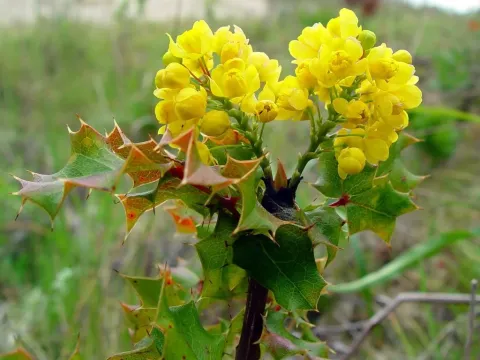
Berberis pinnata
Berberis pinnata
Seeds of Berberis pinnata are best sown in autumn immediately after collection. This allows them to undergo natural stratification during winter, which significantly improves germination rates in the following spring.
What the section contains
Berberis pinnata
When planting, seeds should be placed at a depth of 1 to 2 centimeters in a well-draining, sandy or loamy substrate. Ensuring the medium is light and porous is crucial for healthy seedling emergence.
Propagation via cuttings is performed in late June or early July using semi-hardwood stems. These cuttings should be treated with rooting hormones and kept in a high-humidity environment to ensure successful development.
Young plants grown from seeds require meticulous care for the first few years. Regular weeding and protection from extreme temperatures or mechanical damage are necessary to ensure the shrub establishes a strong root system.
Space the plants adequately when planning a hedge, allowing at least 80 to 100 centimeters between each specimen to prevent competition for nutrients and light as the shrubs mature.
Berberis pinnata, belonging to the Berberidaceae family, is an evergreen shrub native to western North America, particularly common in regions of California. It is highly valued for its glossy, pinnate foliage.
The species prefers sunny or partially shaded locations. It is tolerant of various soil types, provided they are well-drained, as the plant is highly susceptible to root rot in saturated, stagnant water conditions.
It thrives in neutral to slightly alkaline soils. Adding organic matter to the planting hole at the time of installation can help improve nutrient retention and soil structure for better overall performance.
This shrub demonstrates good drought tolerance once established, though supplemental watering during prolonged dry spells in the growing season is recommended to maintain optimal decorative appearance.
In colder climates, the plant may require winter protection. Covering the base with mulch and shielding the foliage from harsh drying winds will help preserve the evergreen leaves through the winter season.
The primary economic and practical utility of Berberis pinnata is in the landscape and horticultural industry. It is frequently used for ornamental hedges, garden boundaries, and foundation plantings.
The plant exhibits a slow to moderate growth rate, typically reaching a height of 1.5 to 2 meters. This predictable growth makes it manageable for urban landscaping and residential garden projects.
The shrub produces yellow flowers in the spring, which are visually striking and beneficial for local pollinators. This bloom phase is followed by the development of dark, glaucous berries that persist into the winter.
The fruit of the shrub is edible and adds ecological value by attracting birds to the garden. While not typically grown as a primary food crop, the berries can be used in small-scale culinary preparations.
Its resilience to urban pollution makes it an ideal candidate for city parks and infrastructure landscaping. The shrub remains a stable, low-maintenance choice for designers looking for year-round color.
Aphids are the most common pests affecting Berberis pinnata, often attacking young shoots. Regular inspection and the application of insecticidal soaps can effectively control these populations.
Powdery mildew is a significant fungal threat, appearing as a white, dusty layer on leaves. Improving airflow through regular pruning and avoiding overhead irrigation can help reduce the incidence of this disease.
Rust diseases can impact the health of the foliage, leading to premature leaf drop. It is advised to avoid planting this species near agricultural fields, specifically cereal crops, to minimize disease transmission.
Root rot, driven by Phytophthora or Fusarium species, often occurs when soil drainage is insufficient. If a plant shows signs of sudden wilting, adjusting drainage and applying systemic fungicides may be required.
Spider mites may become a problem during hot, dry weather. Maintaining proper hydration levels and using water sprays to rinse the foliage can serve as effective preventative measures against mite infestations.