
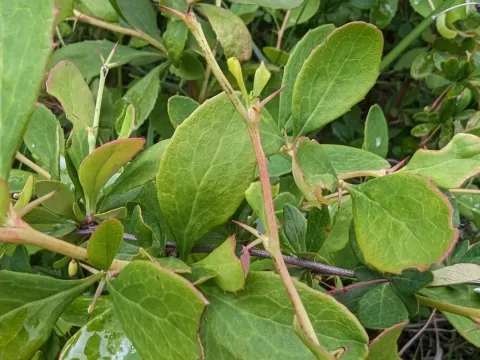
Berberis macracantha
Berberis macracantha
Berberis macracantha is a prominent shrub belonging to the Berberidaceae family, native to the rugged terrains of Central Asia. It is characterized by its exceptionally large and sharp thorns, which define its botanical identity and defensive ecological role.
What the section contains
Berberis macracantha
Regarding its habitat, this species thrives in full sun exposure. While it is highly drought-tolerant once established, optimal growth rates are achieved with consistent, well-managed irrigation in arid environments, preventing the plant from entering premature dormancy.
The plant demonstrates significant plasticity regarding soil conditions but shows a preference for well-drained, slightly alkaline loamy soils. Ensuring effective drainage is crucial, as the root system is highly susceptible to root rot in saturated or poorly aerated soil conditions.
Agricultural management includes regular pruning cycles to maintain the desired canopy structure. Pruning should be executed in early spring to encourage vigorous new growth and ensure the plant remains productive throughout the growing season.
Due to its physical properties, it is frequently utilized in agricultural planning for boundary hedging and natural barriers. Its architectural form and ability to withstand harsh environmental conditions make it a versatile asset in managed landscapes.
Powdery mildew represents a primary fungal threat, particularly in humid or stagnant air environments. Cultural controls, such as thinning the canopy to increase airflow, are essential to mitigate this risk.
Rust diseases pose a risk to foliage health, often necessitating the application of copper-based fungicides during the early stages of the growing season to prevent extensive leaf drop.
Barberry aphids represent the most significant insect threat to vegetative health, clustering on younger stems. Systemic insecticides are recommended for effective control when pest populations exceed economic thresholds.
The barberry geometer (moth larvae) can cause rapid defoliation if left unchecked. Integrated pest management, including regular scouting and biological control, is advised for large-scale plantings.
Barberry fruit flies or weevils can affect the reproductive success of the plant, damaging flower buds and developing berries. Monitoring these pests during the bloom period is critical for maintaining population control.