
Berberis oblonga
Berberis oblonga
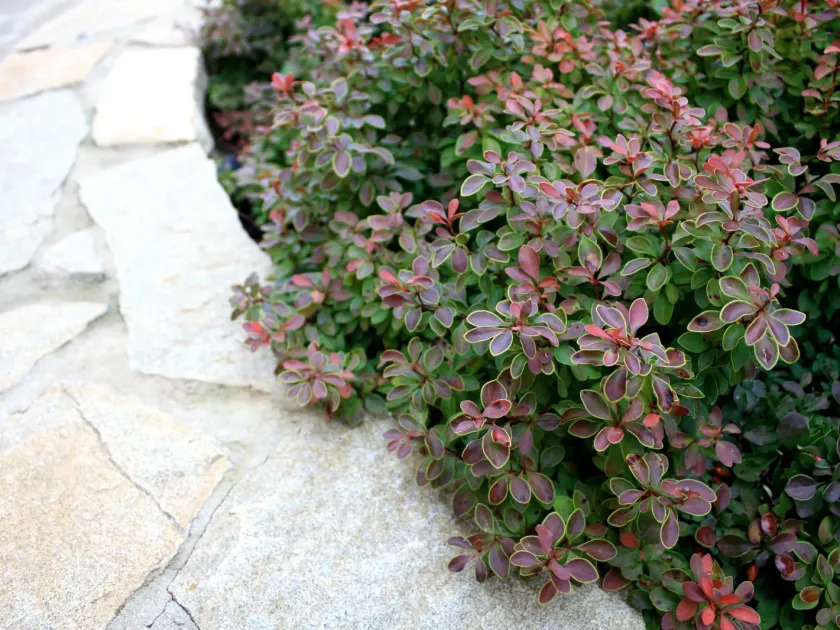
Description
Sowing dates
Berberis oblonga is primarily propagated through seeds or vegetatively using cuttings and layering. Seed sowing is typically performed in the autumn directly into the soil, allowing the seeds to undergo natural stratification during the winter season.
For spring sowing, seeds must be stratified in a controlled cold environment for three to four months to break dormancy. Seeds are sown at a depth of one to two centimeters to ensure optimal moisture and temperature for successful germination.
Seedlings produced from cuttings should be transplanted to their permanent location in early spring before growth begins or in the autumn during the dormant period. Proper spacing of 1.5 to 2 meters is essential to allow the crown to develop fully.
During the first year of growth, it is crucial to maintain weed-free zones around the shrubs to ensure the plants do not compete for vital nutrients. Consistent watering during the establishment phase is vital for successful root system development.
Commercial plantations are best established using one-year or two-year-old nursery-grown seedlings. This method ensures a high survival rate and allows the plants to establish themselves quickly in various climatic conditions.
Growing requirements
Berberis oblonga is a member of the Berberidaceae family and is highly adaptable to various environmental conditions. Its natural distribution in mountainous regions highlights its excellent resilience to temperature fluctuations.
The crop thrives in well-lit, sunny areas, as shading significantly reduces both berry yield and foliage vibrancy. It is highly drought-tolerant and prefers well-drained soils, avoiding areas with high water tables or poor drainage.
While the shrub is not particularly demanding regarding soil types, it grows best in light, sandy loams or loamy soils with a neutral to slightly alkaline pH. Heavy clay soils may require the addition of sand or organic matter for proper aeration.
The species exhibits high winter hardiness, making it suitable for regions with severe winters. Its wind resistance also makes it an excellent candidate for protective windbreaks and natural hedges in agricultural landscapes.
Standard agronomic practices include annual pruning during the dormant season to remove dead or diseased wood. This practice promotes vigorous new growth and helps maintain the health and productivity of the shrub.
Yield
Yield production for Berberis oblonga typically peaks between 6 and 8 years after planting. The berries, known for their distinct oblong shape and bright color, reach maturity in late summer or early autumn.
The fruits are a rich source of vitamin C, organic acids, and pectin, making them highly valued for industrial processing. They are commonly used in the food industry to create jams, sauces, syrups, and dried culinary spices.
Harvesting can be labor-intensive due to the thorns on the branches, requiring workers to use appropriate protective gear. Large-scale operations often utilize semi-automated tools to improve efficiency and reduce harvesting time.
Optimizing yield requires balanced fertilization, with nitrogen applications in early spring and potassium-phosphorus blends in the autumn. Consistent nutrient management ensures the shrub has the energy required for fruit production year after year.
The shrub is known for reliable annual production, which remains stable even when weather conditions are slightly unfavorable. This reliability makes it an attractive commercial crop for growers seeking sustainable yields.
Main diseases and pests
Common diseases affecting this species include powdery mildew and leaf rust, which can decrease both plant health and yield. These issues are often managed through proper spacing, pruning to increase airflow, and timely application of fungicides.
Pests such as aphids and various species of caterpillars can damage the foliage and young shoots. Regular monitoring of the plantation allows for early detection, which is critical for effective integrated pest management strategies.
- Powdery mildew — fungal growth on the leaves.
- Leaf rust — orange/brown spots on the undersides of leaves.
- Aphids — sap-sucking pests affecting shoot growth.
- Caterpillars — defoliation of the plant.
To prevent disease spread, it is essential to collect and dispose of fallen leaves during the autumn cleanup, as these can harbor fungal spores. Using biological controls and systemic insecticides helps maintain a healthy balance in the field.
Maintaining a proactive monitoring program ensures that threats are addressed promptly, minimizing the impact on the harvest. Integrated management reduces the need for heavy chemical intervention and supports overall plant vigor.
Harvesting
Harvesting should occur when the berries have reached full biological maturity, indicated by a firm texture and deep, saturated color. Timing is essential, as waiting too long can result in fruit degradation or loss due to precipitation.
Once picked, the berries must be processed or dried immediately, as they have a high moisture content and are prone to spoilage. Drying is performed in controlled environments with good ventilation to preserve the quality of the product.
Transporting fresh berries requires careful handling and climate-controlled conditions to maintain their structural integrity. Packaging must allow for adequate airflow to prevent moisture accumulation and the development of mold during transit.
Safety is a priority during harvest due to the sharp thorns present on the plants. Workers should wear thick gloves and protective clothing to prevent injury while picking the berries.
Properly dried and stored berries maintain their nutritional and sensory properties for a significant period. Storing the final product in cool, dark, and dry conditions ensures long-term shelf stability for commercial distribution.