
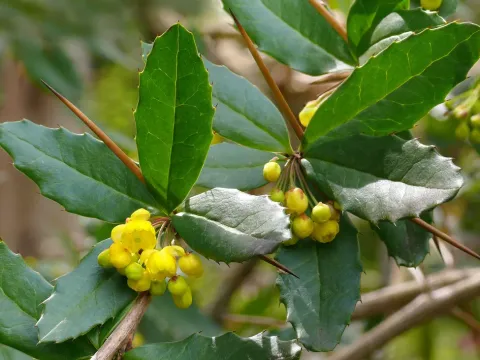
Berberis recurvata
Berberis recurvata
Sowing seeds of Berberis recurvata is most effective when done in the autumn, allowing the cold winter temperatures to naturally stratify the seeds before spring.
What the section contains
Berberis recurvata
If spring planting is preferred, seeds must undergo a cold stratification period of three to four months in a controlled environment at temperatures near freezing.
The planting medium should be well-draining, consisting of a mix of peat and sand to facilitate optimal germination conditions and prevent seed rot.
Seeds should be buried at a shallow depth of approximately 1 to 2 centimeters to ensure they have enough energy to break through the soil surface.
Once seedlings reach a manageable size, they should be transplanted to a nursery area with adequate spacing to promote healthy root and canopy development.
Berberis recurvata is a member of the Berberidaceae family, a group of woody shrubs known for their resilience and decorative, often spiny, characteristics.
The species thrives in locations with full sun exposure, which is critical for maximizing fruit production and maintaining the vibrant color of its foliage.
It prefers well-aerated soil with a neutral pH, although it shows a remarkable ability to adapt to diverse soil types including rocky or clay-heavy grounds.
This crop is generally drought-tolerant once established, requiring deep, infrequent watering during the peak growing season to support its metabolic needs.
Routine pruning is an essential part of the crop management program, helping to remove dead wood, improve light penetration, and ensure long-term plant vitality.
Powdery mildew is a common fungal threat to Berberis recurvata, particularly in humid or stagnant air environments where it quickly colonizes the leaves.
Aphid infestations represent the primary pest pressure, as they congregate on soft new growth, depleting the plant's resources and spreading secondary viral infections.
Rust diseases can occur if the plant is improperly positioned in areas with high moisture or poor drainage, leading to significant defoliation if left untreated.
Effective management strategies include integrating both chemical and biological control methods while ensuring the shrub is not overly crowded by other vegetation.
Regular monitoring during the spring and summer months is vital to catch pest populations early, preventing the need for heavy pesticide applications.
Harvesting the fruit requires careful attention to the ripening cycle, ensuring berries are collected only when they reach peak color and firmness.
Hand-picking is the recommended harvesting method to ensure minimal damage to the delicate fruits, which can easily bruise during mechanized handling.
Post-harvest handling involves keeping the berries cool to prevent rapid enzymatic breakdown, which can negatively affect their nutritional profile and taste.
The berries serve multiple purposes, ranging from culinary applications such as preserves and infusions to raw material extraction for health supplements.
Sustainable harvesting practices ensure that the shrub remains productive in subsequent years, preserving the balance between yield and plant health.