
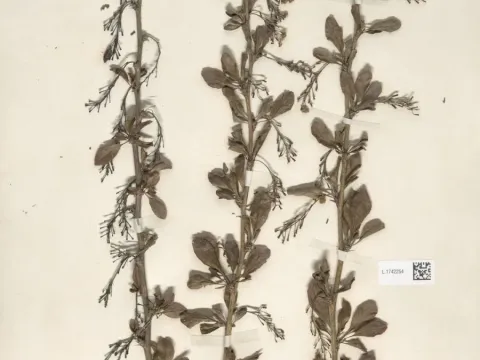
Berberis provincialis
Berberis provincialis
Propagation of Berberis provincialis is primarily achieved through semi-hardwood cuttings during the active growing season. Spring is the most suitable time for planting young specimens into the garden, as it allows the root system to establish before the heat of summer.
What the section contains
Berberis provincialis
For those interested in growing from seeds, cold stratification is a critical requirement for germination. Seeds should be sown in the autumn, allowing them to remain in the ground through winter to break dormancy naturally in the spring.
Proper spacing is essential to ensure adequate airflow and sunlight penetration for each shrub. A distance of at least 1.5 to 2 meters between plants is recommended to prevent competition for nutrients and reduce the risk of humidity-related fungal issues.
The use of high-quality organic matter during the planting process helps create a favorable environment for the root system. Adding compost to the planting hole promotes faster initial growth and builds resilience against local soil conditions.
Young plants require consistent monitoring of soil moisture during their first growing season. Once established, Berberis provincialis becomes quite resilient, requiring less frequent intervention while maintaining its structural integrity.
Berberis provincialis belongs to the family Berberidaceae and is known for its thorny, dense structure. It thrives in well-drained, neutral-to-slightly-alkaline soil types, making it a versatile choice for various geographic regions across its native range.
The shrub demonstrates excellent tolerance to diverse light conditions, although full sun exposure is preferred for optimal foliage color and fruit production. It is highly adaptable and can be used effectively in windbreaks or as a decorative hedge in garden landscapes.
Temperature resilience is a hallmark of this species, allowing it to survive cool winters and relatively dry summer periods. It is an ideal plant for low-maintenance landscaping where hardiness and minimal intervention are desired characteristics.
Pruning is a necessary maintenance task performed to keep the shrub's shape and encourage dense branching. Removing dead or overlapping wood annually during the dormant season prevents overcrowding and promotes the overall health of the plant structure.
The plant generally requires moderate levels of soil fertility, which can be managed with annual mulching or slow-release fertilizers. Such practices ensure that the plant retains its vitality and maintains a constant supply of nutrients throughout the year.
Powdery mildew represents a common fungal threat to Berberis provincialis, particularly when plants are grown in overcrowded or stagnant air conditions. Improving airflow through selective pruning is the most effective preventative measure against this pathogen.
Rust diseases can be problematic, often utilizing the barberry plant as a secondary host in life cycles that affect grain crops. Careful site selection, away from wheat or barley fields, is recommended to minimize the impact of rust infections in the garden.
Pests such as aphids are frequently observed on new, tender shoots during the spring. Monitoring and the application of insecticidal soaps or biological controls can prevent infestations from escalating and damaging the overall aesthetic of the shrub.
Anthracnose can affect the plant during periods of excessive rainfall, appearing as spots on the foliage and berries. Maintaining a clean site by removing fallen leaves and pruning infected twigs helps manage the spread of spores effectively.
Root rot is typically caused by poorly drained soil, which leads to oxygen deprivation in the root zone. Ensuring the planting site has excellent drainage is the most vital step in preventing this issue and securing long-term plant survival.