
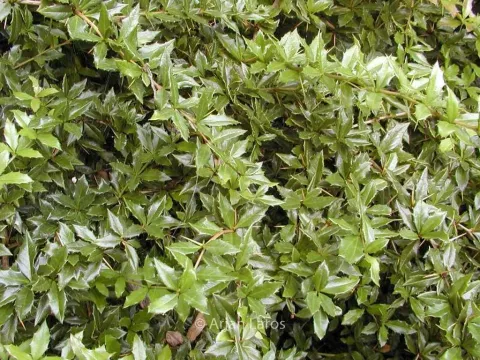
Intermediate barberry
Berberis interposita
Intermediate barberry (Berberis interposita) is a perennial deciduous shrub belonging to the Berberidaceae family. It is a distinctive hybrid species valued for its structural beauty and adaptability to temperate gardening environments.
What the section contains
Intermediate barberry
The plant thrives best in full sun, which enhances foliage density and overall vigor, although it can tolerate partial shade. Well-drained, fertile soil with a neutral to slightly alkaline pH is ideal for promoting healthy root development.
Water requirements are moderate, with consistent moisture needed during the establishment phase and periods of extreme drought. Once mature, the shrub displays good resilience to varying environmental conditions.
Routine maintenance includes structural pruning to maintain its size and shape, as well as regular mulching to suppress weeds and maintain soil humidity. Nitrogen-rich fertilizers should be applied sparingly in the early spring to boost new growth.
In landscaping, Berberis interposita is frequently utilized for hedging due to its thorny branches and compact growth habit. It provides an effective natural barrier while offering high ornamental value throughout the changing seasons.
Powdery mildew is a significant threat, particularly in humid or stagnant air conditions. Infected foliage should be removed immediately to prevent spores from spreading across the entire shrub canopy.
Rust diseases may occur if the plant is situated in low-airflow environments. Fungicidal applications during the early vegetative cycle act as a preventative measure to ensure the health of the plant.
Barberry aphid infestations can cause significant stress, leading to stunted shoots and yellowing leaves. Control measures involve the use of insecticidal soaps or systemic treatments when thresholds are exceeded.
Scale insects can occasionally affect older stems, making regular inspections essential. Pruning out heavily infested branches is often the most effective method for managing these localized pests.
Maintaining proper plant spacing and ensuring good drainage are the primary defense mechanisms against soil-borne root pathogens. A healthy, well-nourished plant is significantly more resistant to these common environmental stressors.