
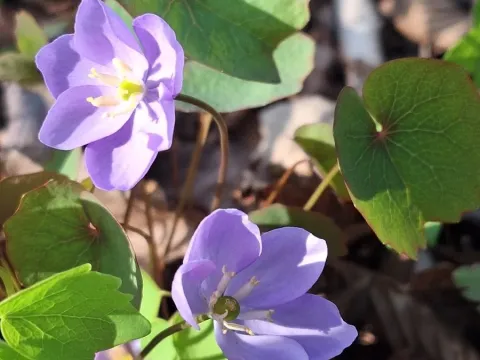
Jeffersonia
Plagiorhegma
Jeffersonia is typically propagated through the division of rhizomes, a process best performed in early spring or late summer to ensure successful establishment in the new location.
What the section contains

Jeffersonia
Seed propagation is also possible, though it requires specific techniques; seeds should be sown immediately after harvest as they lose viability rapidly if allowed to dry out.
Fresh seeds require a cold stratification period to break dormancy, which is best achieved by sowing them in the ground in late summer for winter exposure.
When dividing rhizomes, it is essential to ensure that each section has viable buds to support vigorous growth in the following season.
Seedlings develop slowly, and growers should be prepared for a waiting period of several years before the plants reach their mature, decorative size.
Jeffersonia belongs to the Berberidaceae family and consists of perennial herbaceous species native to the moist forest understories of North America and East Asia.
The plant thrives in sites that provide dappled shade, mimicking the conditions of its native habitat, as intense sunlight can scorch the delicate foliage.
Soil requirements include high organic content, excellent drainage, and consistent moisture levels throughout the growing season to prevent drought stress.
These plants are remarkably hardy and well-adapted to temperate climates, though they appreciate shelter from harsh winds during the winter months.
Maintaining a neutral to slightly acidic soil pH is ideal for promoting optimal nutrient uptake and ensuring the long-term health of the plant colony.
Jeffersonia is generally resistant to many common garden pests and diseases, provided that its growing conditions are managed appropriately and soil drainage remains adequate.
Root rot is the most significant threat, typically caused by waterlogged soil, which leads to the decay of the rhizome system and the eventual decline of the plant.
Slugs and snails can present a challenge during wet seasons, as they are attracted to the succulent leaves, potentially causing aesthetic damage to the foliage.
Cultural control methods, such as maintaining weed-free zones and thinning surrounding foliage to improve air circulation, help keep the plants healthy and robust.
- Ensure proper soil drainage to avoid root stagnation.
- Protect plants from direct midday summer sun.
- Manage slug populations during damp periods.