
Japanese mahonia
Berberis japonica
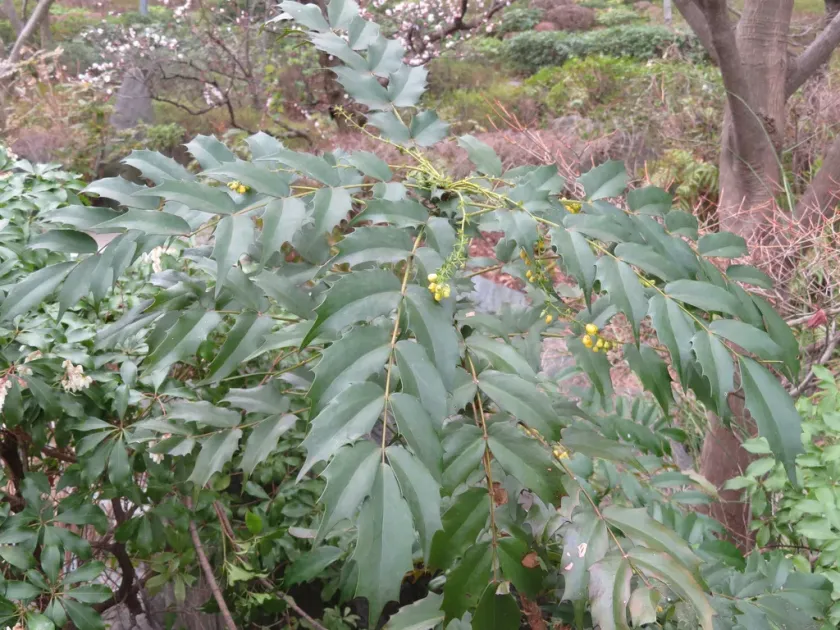
Description
Sowing dates
Propagation of Japanese mahonia is primarily achieved through vegetative methods, as growing from seed is a lengthy process. Seeds are usually sown outdoors in late autumn or in spring following a long period of stratification.
Cuttings are prepared from semi-hardwood shoots in late summer. They are rooted in greenhouse conditions using rooting hormones to ensure a higher percentage of successful propagation and healthy root development.
The ideal time for planting young shrubs into the ground is either in early spring or early autumn. Providing sufficient space is essential, as the shrub has a spreading habit and requires good airflow to stay healthy.
When planting, dig a hole about 50 cm deep and fill it with a mixture of sod soil, humus, and sand. It is critical to keep the root collar level with the soil surface to prevent potential rotting.
Immediately after planting, water the shrub thoroughly and apply a layer of mulch, such as peat or pine needles, to retain soil moisture and protect the root system from sudden temperature fluctuations.
Growing requirements
Japanese mahonia belongs to the Berberidaceae family and thrives best in partially shaded areas. Direct sunlight can scorch its leathery leaves, while excessive shade significantly reduces the intensity of flowering.
The plant is demanding regarding soil quality; it prefers fertile, well-drained soil with a neutral or slightly acidic reaction. Water stagnation is fatal to the plant, so drainage is mandatory in heavy clay soils.
The plant has moderate winter hardiness. In regions with harsh winters, young specimens require protective covering with spruce branches or specialized agro-textiles, alongside hilling to protect the root zone from frost.
Maintenance includes regular but moderate watering, especially during dry spells. Soil cultivation should be done carefully to avoid damaging shallow roots and should always be combined with weeding the area.
For aesthetic maintenance, perform sanitary and structural pruning. Removing old, dead, or damaged branches stimulates vigorous branching and encourages the development of flower buds for the next growing season.
Yield
The primary use of Japanese mahonia is decorative landscaping. The plant is prized for its spectacular pinnate evergreen leaves, fragrant yellow clusters of flowers, and bluish edible berries that provide visual interest.
Mahonia fruits contain vitamin C and organic acids, allowing them to be used in the food industry for making jams, jellies, and as natural coloring agents in the production of certain wines.
In landscaping, it serves as an excellent specimen plant, a component of evergreen hedges, or part of multi-layered border compositions. Its ability to retain foliage keeps the garden attractive year-round.
Pharmacologically, certain species of mahonia are used as a source of berberine, known for its antiseptic and anti-inflammatory properties, though professional harvesting requires strict ecological standards.
Fruit yield depends on growing conditions and plant maturity. Regular fruit production usually begins around the third or fourth year, and the shrub acts as a valuable early-spring honey plant for pollinators.
Main diseases and pests
Japanese mahonia possesses high natural resistance to most diseases. However, improper watering and high humidity may lead to fungal infections, such as powdery mildew, which can affect the leaves.
Other potential threats include leaf spot diseases caused by various pathogens. These can be managed by applying copper-based fungicides at the first sign of symptoms to prevent the spread of infection.
Pests such as spider mites and aphids are the most common threats. They suck sap from young shoots, leading to distorted foliage and a significant decrease in the plant's overall immune system.
Prevention relies on garden hygiene, such as removing fallen leaves and debris, and performing preventive insecticide treatments in early spring, specifically before the onset of the flowering period.
Adhering to agricultural best practices—choosing the right location, ensuring moderate watering, and consistent pruning—effectively minimizes disease risks and enhances the shrub's natural resilience to environmental stressors.