
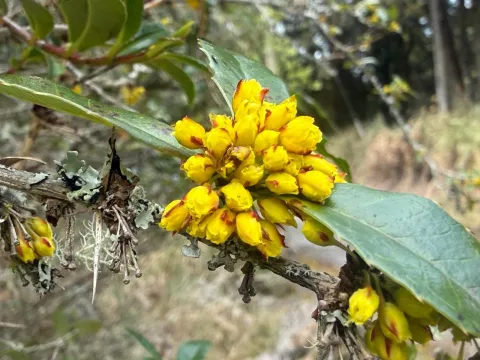
Kawakami barberry
Berberis kawakamii
Propagation of Berberis kawakamii is primarily achieved through seeds or stem cuttings. Seed propagation requires a mandatory cold stratification period of 3-4 months to break dormancy and ensure high germination rates.
What the section contains
Kawakami barberry
Sowing should ideally occur in late autumn to allow the seeds to experience natural seasonal changes, which significantly improves seedling health and vigor in the following spring.
For cuttings, semi-hardwood segments taken during the summer are most effective. These should be placed in a well-aerated rooting medium, ensuring consistent moisture levels and protection from direct midday sun.
Transplanting into the permanent garden location is recommended during the spring season to provide sufficient time for root establishment before the onset of extreme temperatures.
Adequate spacing between plants is crucial to ensure proper air circulation, which helps reduce the risk of humidity-related issues, especially during the initial stages of growth.
Kawakami barberry is an evergreen shrub belonging to the Berberidaceae family. Originating from the mountains of Taiwan, it is highly valued in horticulture for its dense, glossy foliage and architectural form.
This species thrives in full sun but maintains a healthy growth habit in partial shade. It requires well-drained, fertile soil, as it is particularly sensitive to waterlogged conditions that can cause root decay.
The climate requirements emphasize protection from harsh winter winds. While it is hardy in many respects, it is best suited for regions with moderate temperatures to prevent foliage damage.
Maintenance involves periodic pruning to maintain the desired shape and size. Pruning is best performed after the flowering season to avoid interfering with the plant's natural growth cycle.
In landscape design, it serves as an excellent candidate for formal hedges, border plantings, or as a structural specimen in a rock garden, offering year-round visual appeal.
Powdery mildew is a common fungal threat that appears as a white, dusty layer on leaves. It is often triggered by high humidity and poor airflow around the shrub's center.
Rust diseases, characterized by orange pustules on the leaf underside, can occur in damp environments. Consistent monitoring and the use of appropriate fungicides can effectively manage these issues.
Aphids are the most prevalent pest, targeting tender new growth. Their feeding causes leaves to curl and stunt the overall development of the plant if left untreated.
The barberry sawfly is another potential concern, with larvae capable of rapidly defoliating a shrub. Early detection and removal are essential to preventing extensive damage to the plant.
Implementing a regular hygiene program, including clearing debris from the base of the plant and selective pruning of overcrowded branches, helps mitigate these pest and disease risks.