
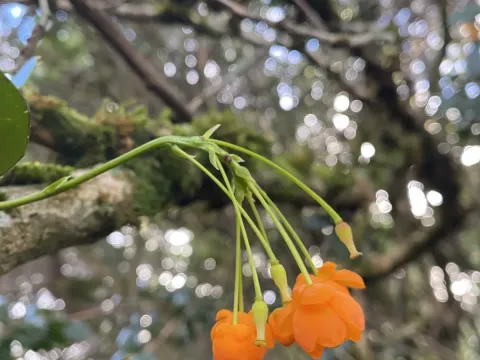
Holly-leaved barberry
Berberis ilicifolia
The holly-leaved barberry (Berberis ilicifolia) is an evergreen shrub species belonging to the Berberidaceae family. It is distinct for its rigid, spiny-edged leaves that closely resemble those of the holly genus, making it a highly valued ornamental plant in modern landscaping.
What the section contains
Holly-leaved barberry
Native to the southern regions of South America, specifically in Chile and Argentina, this species has adapted to cool and moist environmental conditions. In cultivation, it performs best in well-drained, fertile soil types and requires careful site selection to avoid waterlogging, which the root system cannot tolerate.
Regarding climate, the plant prefers temperate conditions with adequate moisture levels. It thrives in locations that offer partial to full sunlight but requires protection from desiccating winter winds, which can lead to leaf burn and reduced plant vigor in colder climates.
Standard agrotechnical practices for this species involve consistent soil moisture maintenance and the application of balanced slow-release fertilizers during the active growth phase. Pruning should be performed annually to maintain the desired shape and to ensure proper air circulation throughout the foliage.
The plant is primarily utilized for ornamental purposes, such as specimen planting or the creation of dense, protective hedges. Its evergreen nature ensures year-round visual appeal, serving as a structural component in residential and public garden designs.
Major diseases affecting the holly-leaved barberry include various fungal leaf spots and powdery mildew, often triggered by excessive humidity or poor drainage. Implementing a preventative pruning schedule helps to mitigate these risks by ensuring that the inner canopy remains dry.
Pest management focuses on controlling aphids and scale insects, which can feed on the foliage and weaken the plant's structural integrity. Integrated pest management strategies, including the use of horticultural oils and systemic insecticides, are recommended when infestations exceed economic thresholds.