
Scorzoneroides
Scorzoneroides
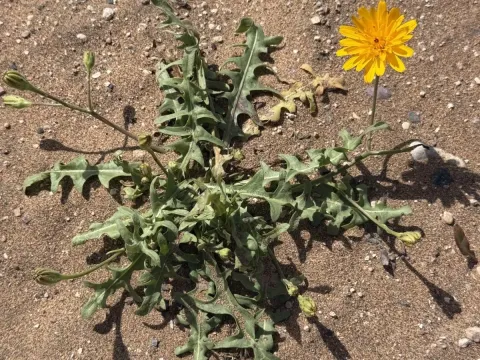
Scorzoneroides is a genus of herbaceous perennial plants belonging to the Asteraceae family. Known for its resemblance to dandelions, this plant is widespread across temperate regions of Eurasia and is often integrated into grazing systems.
What the section contains
 Autumn hawkbit
Scorzoneroides autumnalis
Autumn hawkbit
Scorzoneroides autumnalis
 Mountain hawkbit
Scorzoneroides montana
Mountain hawkbit
Scorzoneroides montana
 Pyrenean hawkbit
Scorzoneroides pyrenaica
Pyrenean hawkbit
Scorzoneroides pyrenaica
 Scorzoneroides cantabrica
Scorzoneroides cantabrica
Scorzoneroides cantabrica
 Scorzoneroides carpetana
Scorzoneroides carpetana
Scorzoneroides carpetana
 Scorzoneroides cichoriacea
Scorzoneroides cichoriacea
Scorzoneroides cichoriacea
 Scorzoneroides crocea
Scorzoneroides duboisii
Scorzoneroides duboisii
Scorzoneroides crocea
Scorzoneroides crocea
Scorzoneroides duboisii
Scorzoneroides duboisii
 Scorzoneroides keretina
Scorzoneroides keretina
Scorzoneroides keretina
 Scorzoneroides montaniformis
Scorzoneroides montaniformis
Scorzoneroides montaniformis
 Scorzoneroides muelleri
Scorzoneroides muelleri
Scorzoneroides muelleri
 Scorzoneroides palisiae
Scorzoneroides pseudotaraxaci
Scorzoneroides pseudotaraxaci
Scorzoneroides palisiae
Scorzoneroides palisiae
Scorzoneroides pseudotaraxaci
Scorzoneroides pseudotaraxaci
 Scorzoneroides rilaensis
Scorzoneroides salzmannii
Scorzoneroides salzmannii
Scorzoneroides rilaensis
Scorzoneroides rilaensis
Scorzoneroides salzmannii
Scorzoneroides salzmannii
 Swiss scorzoneroides
Scorzoneroides helvetica
Swiss scorzoneroides
Scorzoneroides helvetica
Scorzoneroides
The botanical structure consists of a basal rosette of leaves and leafless stalks bearing yellow flower heads. These features allow the plant to withstand grazing and periodic mowing, making it a reliable source of green mass for livestock.
Optimal growth requires well-drained soils ranging from sandy loams to light clays. The plant is highly adaptable to various soil pH levels, although it performs best in neutral to slightly acidic environments with sufficient nutrient availability.
Climatic requirements involve a preference for temperate conditions. The plant is noted for its winter hardiness, allowing it to survive harsh climates and regenerate quickly as temperatures rise during the early spring season.
Its primary agricultural use is as a component of mixed pasturelands. Its nutritional value makes it highly beneficial for cattle and sheep, providing a stable source of vitamins and proteins throughout the growing season.
Fungal diseases are the primary concern for Scorzoneroides, especially in areas with poor drainage and excessive moisture. Powdery mildew and rust are common, causing foliage decay and reducing the overall photosynthetic capacity of the plant.
Pests such as aphids and various leaf-eating insects pose significant threats during the peak of the growing season. Infestations can lead to stunted growth and reduced seed production if left unmanaged during the critical phases of development.
Field management, including regular mowing or rotational grazing, plays a key role in disease prevention. By maintaining a vigorous and fast-growing sward, farmers can effectively reduce the opportunities for pathogens to establish themselves.
Weed management is essential to prevent competition for light and nutrients. Keeping the field clean of invasive species ensures that the crop maintains its dominance and stays healthy throughout the season.
Soil health monitoring and the application of balanced nutrients can bolster the plant's natural defenses. Ensuring good air circulation within the canopy is a critical factor in minimizing the risk of moisture-related infections.