
Pyrenean hawkbit
Scorzoneroides pyrenaica
Description
Growing requirements
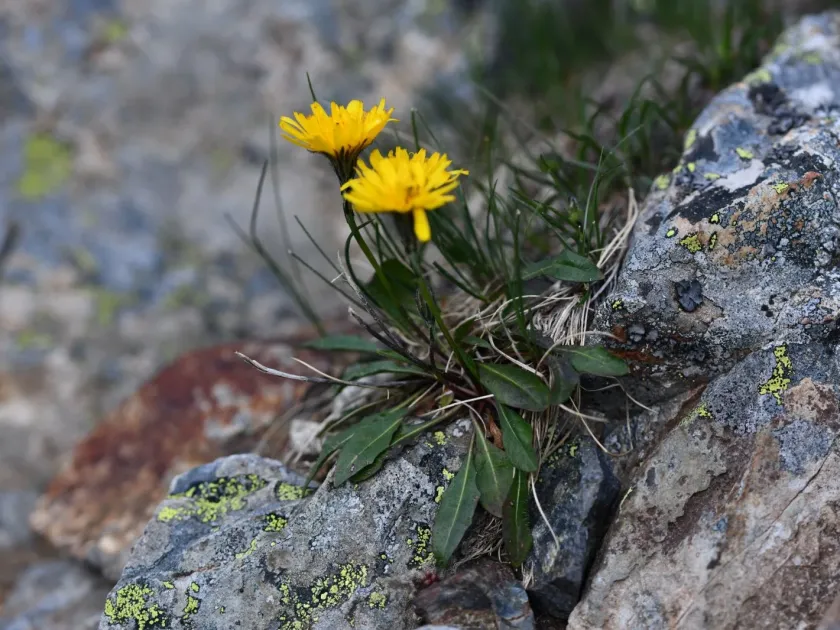
Pyrenean hawkbit (Scorzoneroides pyrenaica) is a perennial herbaceous plant belonging to the Asteraceae family. Native to the mountain regions of Europe, this species is typically found in alpine meadows, pastures, and rocky slopes where it thrives in cool climates.
The plant features a robust root system adapted for survival in mineral-rich, well-drained soils. It requires significant sunlight for optimal biomass production and is highly tolerant of the fluctuating temperature regimes characteristic of mountain environments.
In an agricultural context, this crop is valued for its persistence and forage quality. It demonstrates excellent resilience to grazing pressure, making it a sustainable component of mixed alpine-type grassland ecosystems.
Cultivation requires careful site selection to avoid waterlogged conditions, which the plant does not tolerate. Soils with a neutral to slightly acidic pH and good aeration provide the best results for consistent vegetation growth.
The reproduction of the species is primarily via seeds, which establish well in prepared seedbeds. Maintaining a moderate planting density is recommended to balance competition for resources and overall field productivity.
Main diseases and pests
The crop is susceptible to various fungal pathogens, including rusts and powdery mildew, which flourish in stagnant air or humid conditions. Proper field management and spacing are essential to prevent the rapid spread of these diseases.
Insect pests such as aphids and specific beetle larvae may target young leaves and stalks during the peak growing season. Implementing integrated pest management strategies helps to mitigate economic damage.
Root rot caused by poor soil drainage remains a major threat to the plant's longevity. Ensuring the land is well-drained before sowing is a fundamental preventive measure for commercial growers.
Weed competition during the seedling stage is a primary challenge. Growers should employ early-stage mechanical weeding to ensure the young plants receive adequate nutrients and light for full development.
Damage from voles or other small rodents can threaten the crop during colder months. Protective measures or habitat management around the field boundaries can effectively minimize these risks to the root crowns.