
Scorzoneroides muelleri
Scorzoneroides muelleri
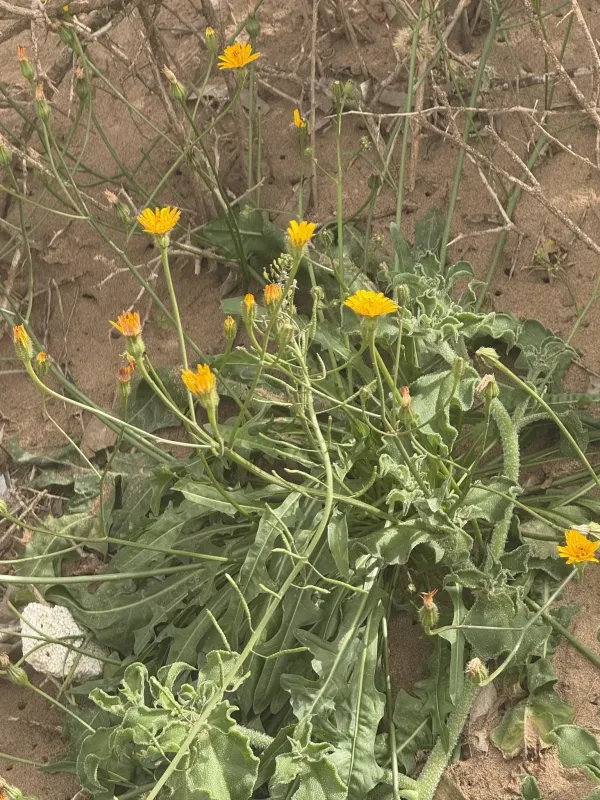
Description
Sowing dates
Scorzoneroides muelleri is typically propagated through seeds, which require specific preparation and controlled planting depths to ensure uniform germination.
The sowing process should be timed to coincide with mild spring temperatures, ensuring that the soil is sufficiently warmed to stimulate active initial growth.
Seeds are sown in rows or broadcasted depending on the scale of cultivation, with careful attention paid to row spacing to avoid overcrowding during the maturation phase.
Maintaining the right seed-to-soil contact is critical for this species, as it significantly enhances the efficiency of moisture uptake during the germination period.
Post-sowing care involves maintaining optimal soil humidity, avoiding both drought conditions and waterlogging, which are detrimental to the delicate seedling stage.
Growing requirements
As a member of the Asteraceae family, this crop thrives in well-drained, sandy-loam soils that provide the necessary aeration for root development.
The plant demonstrates significant resilience in terms of climate, preferring open areas with full sun exposure to maximize photosynthetic activity throughout the season.
Soil pH levels should be monitored, as the plant exhibits the best growth performance in neutral or slightly alkaline soil conditions, avoiding highly acidic environments.
Nutrient management is essential; balanced application of fertilizers, particularly those rich in phosphorus and potassium, helps improve the overall plant vitality.
The natural habitat suggests an adaptability to temperate conditions, though irrigation remains a key factor in ensuring high-quality foliage during dry weather patterns.
Main diseases and pests
Fungal diseases, specifically root rot, pose the most significant threat to Scorzoneroides muelleri, especially in areas with poor drainage and stagnant moisture.
Aphids and mites are among the most common pests that can impact the health of the plant, often causing localized tissue damage and stress to the foliage.
Regular phytosanitary monitoring is recommended to identify early signs of pest infestation or disease outbreaks before they spread across the entire crop area.
To mitigate these risks, farmers should prioritize preventive measures such as ensuring adequate plant spacing and avoiding overhead irrigation during humid weather.
Implementing integrated pest management practices, including the use of beneficial insects, can help maintain crop health without relying heavily on chemical inputs.