
Scorzoneroides palisiae
Scorzoneroides palisiae
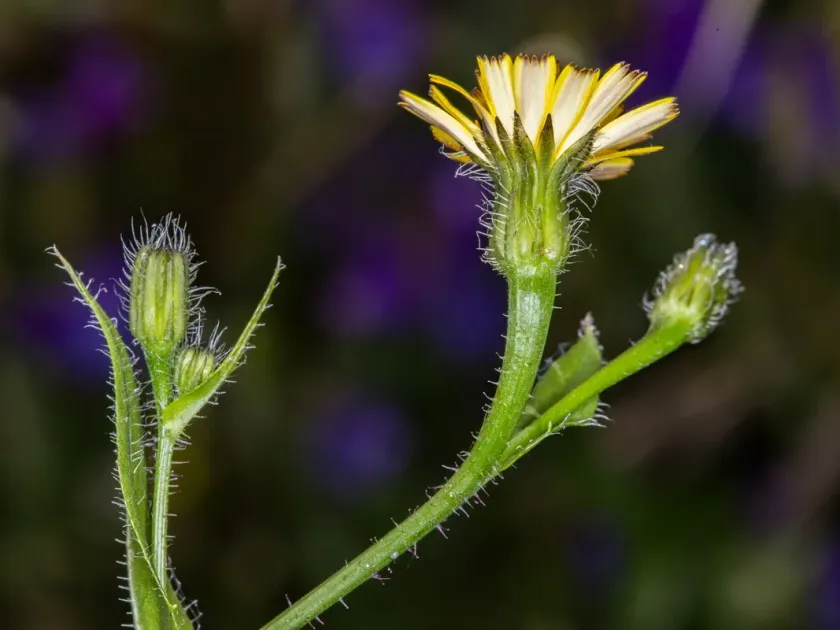
Description
Sowing dates
Scorzoneroides palisiae is a member of the Asteraceae family. This perennial herbaceous plant is known for its slow growth rate and requires specific environmental conditions to establish effectively.
Successful germination of the seeds typically requires a cold stratification period. Early spring is the most suitable time for sowing, once the soil has reached an adequate temperature for uniform emergence.
Seeds should be sown at a shallow depth of no more than 1.5 cm. Soil-to-seed contact must be ensured through light rolling to encourage consistent moisture uptake during the initial germination phase.
The plant dedicates its first year of growth to establishing a robust basal rosette of leaves and a strong root system. Reproductive development and flowering generally occur from the second year onwards.
Providing a weed-free seedbed is essential, as the seedlings are delicate and struggle to compete with invasive grasses or fast-growing weeds during the initial establishment stage.
Growing requirements
Effective soil drainage is a critical requirement for Scorzoneroides palisiae. Waterlogged conditions can lead to root rot and other fatal soil-borne pathogens, making heavy clay soils unsuitable.
Light sandy or stony soils with a pH ranging from 6.5 to 7.5 are ideal. These substrates provide the necessary aeration for the root zone, which is vital for the long-term health of the plant.
The plant is highly photophilic, thriving in full sun exposure. Shaded areas should be avoided, as restricted sunlight will significantly diminish the plant's overall development and quality.
Moderate temperatures are preferred. While the plant can tolerate some fluctuations, stable soil moisture levels during the active growth period are necessary to support continuous development.
Regular maintenance, including inter-row cultivation, helps to aerate the soil and control moisture evaporation, which is beneficial for the root system's endurance over the growing season.
Main diseases and pests
Root rot caused by fungal pathogens is the primary threat, particularly in poorly drained environments. Implementation of crop rotation is a standard practice to mitigate the risk of pathogen buildup in the soil.
Insect pests, such as aphids and spider mites, may infest the leaves during hot and dry spells. Frequent monitoring is necessary to intervene before the infestation reaches economic thresholds.
Leaf-eating insects can cause significant damage during the plant's juvenile phase. Utilizing integrated pest management (IPM) strategies is the most effective approach for ensuring plant longevity.
Nematode infestations can lead to stunted growth and reduced plant vigor. Maintaining soil health through organic amendments can help improve the plant's natural resistance to these pests.
Correct nutrition management is also vital for disease prevention, as overly high nitrogen levels can make the tissue more succulent and attractive to various chewing insects.
Harvesting
Harvesting is typically conducted during the mass flowering phase, as this timing ensures the highest concentration of desired secondary metabolites within the plant tissues.
Mechanical harvesting is feasible, provided that cutting equipment is adjusted to leave enough of the basal portion intact to ensure the plant can survive for subsequent seasons.
Post-harvest management is crucial; the plant material must be processed or moved to a drying facility immediately to prevent degradation, heating, and quality loss from exposure.
Drying should occur in controlled environments with temperatures below 45 degrees Celsius to protect volatile oils and maintain the visual quality of the harvested produce.
Finally, the dried product should be screened and stored in cool, dark conditions to preserve its biochemical integrity for its intended commercial use.