
Scorzoneroides rilaensis
Scorzoneroides rilaensis
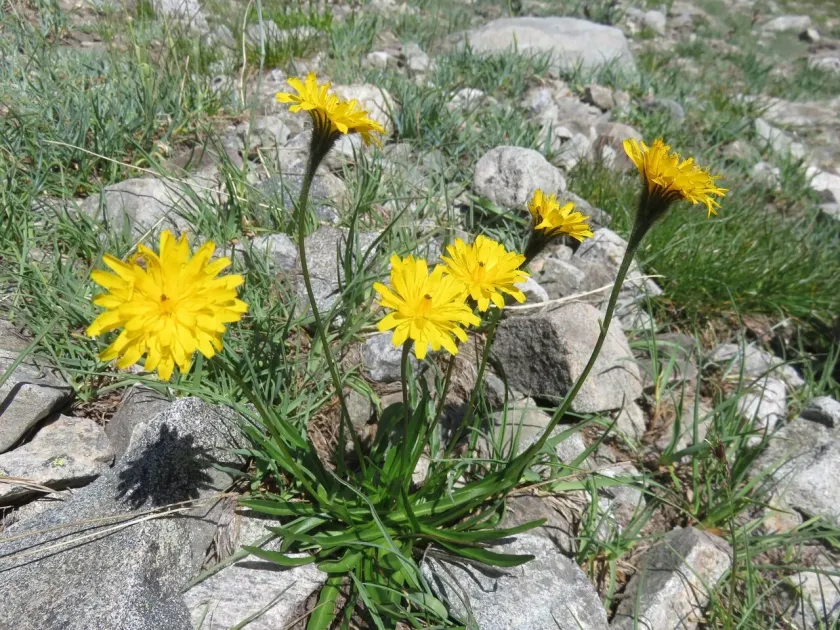
Description
Growing requirements
Scorzoneroides rilaensis is a perennial herbaceous plant belonging to the Asteraceae family. This species is specifically adapted to the harsh conditions of high-altitude alpine meadows and mountain rocky outcrops.
The plant originates from the Balkan Peninsula, where it serves as a significant element of the local high-mountain flora. Its evolutionary adaptation includes low-profile growth to survive strong winds and intense solar radiation.
When cultivating this species, it is essential to provide well-drained, sandy, or rocky soil with a neutral pH. The plant requires excellent aeration to prevent root rot, which is common in compact, heavy soils.
Botanically, the species is distinguished by its basal rosette of leaves and solitary bright yellow flower heads. These structures are designed to complete the life cycle within a very short, cool growing season.
In terms of agricultural use, Scorzoneroides rilaensis is currently valued primarily for specialized alpine gardening and as a subject of botanical conservation research rather than commercial farming.
Main diseases and pests
The primary threats to Scorzoneroides rilaensis include fungal pathogens that flourish under conditions of excessive moisture and poor soil drainage. Root decay is the most significant cause of mortality.
Pests such as aphids and leaf-eating beetles can compromise the plant's health during the peak flowering season. Management involves physical removal or careful monitoring for signs of infestation.
Competition from invasive plant species is a major threat in both wild habitats and artificial cultivation. Maintaining the integrity of the planting area by removing aggressive weeds is essential for survival.
Environmental stress, such as unseasonal summer droughts in mountainous regions, can weaken the plant's natural defense systems. Adequate moisture management is crucial for sustainable development.
Disease prevention relies heavily on good horticultural hygiene, including the removal of dead leaf matter and ensuring that the rosette remains dry during irrigation cycles.