
Scorzoneroides cantabrica
Scorzoneroides cantabrica
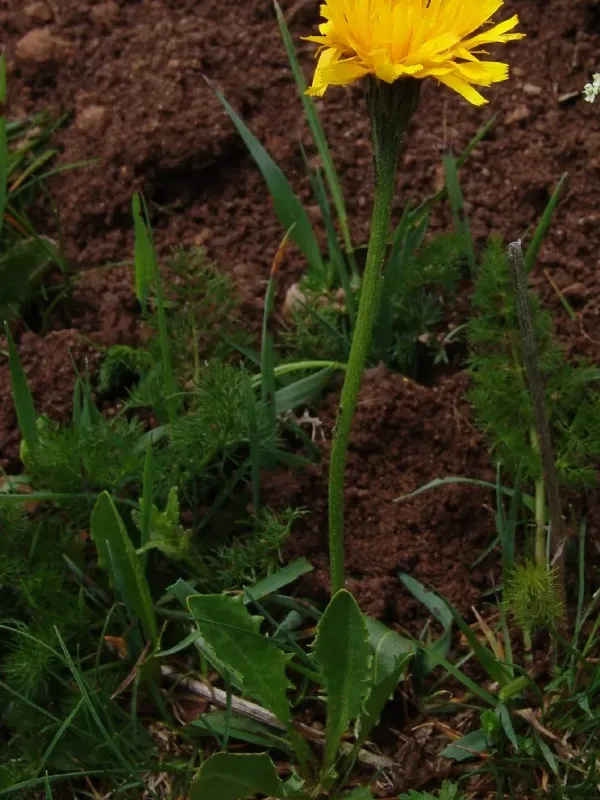
Description
Growing requirements
Scorzoneroides cantabrica is a perennial herbaceous plant belonging to the Asteraceae family. Native to the mountainous regions of the Cantabrian Mountains in Spain, it is well-adapted to specific ecological niches found in high-altitude environments.
The plant typically grows in rocky, well-drained limestone soils. It thrives in conditions that offer high solar exposure and limited organic matter, reflecting its evolution in alpine meadow ecosystems where competition for nutrients is unique.
Botanically, it features a rosette of basal leaves and solitary stems that support bright yellow, daisy-like flowers. Its root system is designed for stability in shifting mountain substrates, which also allows it to store critical reserves for dormancy periods.
Cultivation requires careful management of soil moisture. Since the species is accustomed to mountainous slopes, standing water is detrimental. A gritty, mineral-rich substrate is ideal for ensuring the health and longevity of the plant in a nursery or garden setting.
Although currently not a mainstream agricultural crop, its potential lies in botanical collections, alpine rock gardens, and as a candidate for developing climate-resilient forage or ornamental varieties suitable for northern climatic zones.
Main diseases and pests
The primary threats to this species in cultivation include fungal pathogens like powdery mildew, which flourish if air circulation around the basal rosette is inadequate. Proper spacing is essential to mitigate this risk.
Soil-borne pests, particularly wireworms or other beetle larvae, represent a significant danger to the root system. These pests can cause irreparable damage to the vascular tissues, leading to the sudden decline of the plant specimen.
Root rot, induced by excessive moisture in the growing medium, is a major cause of failure for Scorzoneroides cantabrica. Maintaining a strictly regulated watering regime is critical to preventing the proliferation of water-borne pathogens.
Aphids can pose a nuisance during the peak flowering stage, focusing on the nutrient-rich tissues of the flower heads. These insects can reduce the vigor of the plant and decrease the viability of produced seeds.
Strategic management involves regular monitoring and the implementation of cultural practices that prioritize good drainage and adequate sunlight, which effectively reinforce the plant's natural defense mechanisms against common environmental stressors.