
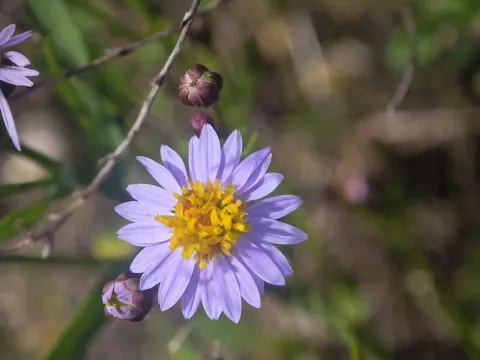
Sea aster
Tripolium
Seeding of Tripolium, commonly known as Sea aster, typically takes place in early spring once the soil temperature is suitable for germination.
What the section contains

Sea aster
Optimal sowing occurs when the frost threat has passed, allowing the seedlings to establish a strong root system before the onset of intense summer heat.
Seeds should be sown at a shallow depth of approximately 1 to 2 centimeters to ensure they receive sufficient light and moisture contact for uniform emergence.
A well-prepared seedbed with a fine texture is recommended to improve the germination rate of this small-seeded species across the field.
In specific maritime climates, fall sowing can also be successful, utilizing the natural cold stratification process to improve spring emergence rates.
Tripolium is a notable halophyte, meaning it is highly adapted to saline environments, making it an excellent candidate for reclaiming marginal saline lands.
The plant thrives in full sun exposure and requires clear areas to prevent etiolation, which significantly weakens the stems and reduces overall plant vigor.
Soil moisture retention is vital, as Tripolium demonstrates remarkable tolerance to periodic inundation, allowing it to grow in areas prone to waterlogging.
While the plant is hardy, it benefits from moderate nitrogen application during the early growth stages to maximize biomass production and foliage density.
Its ability to tolerate high salinity in soil and groundwater provides a unique advantage, allowing for production in regions where traditional crops fail.
The yield of Tripolium biomass is directly influenced by the availability of soil moisture and the consistency of the growing conditions throughout the season.
When cultivated under intensive management, the crop can provide multiple harvests per year due to its vigorous regrowth capacity after mowing.
Crop potential is maximized in saline-affected soils where competition from common agricultural weeds is naturally suppressed by the environmental conditions.
For forage production, monitoring the plant density is essential, as higher stands generally lead to increased nutrient content and better feed quality.
Seed yield management requires attention to detail, as maturation is progressive, often necessitating staggered harvesting to minimize field losses.
Fungal pathogens represent the primary threat to Tripolium, especially in conditions characterized by high humidity and poor air circulation within the canopy.
Pests such as aphids and spider mites can colonize the foliage during warm periods, causing stunted growth and damage to the leaf surfaces if left untreated.
Effective weed control is most critical during the seedling stage, as the plant is relatively slow to establish and can be outcompeted by aggressive weeds.
Root rot can occur in low-lying areas with stagnant water, necessitating proper drainage planning to ensure the health and longevity of the crop stand.
Integrated pest management strategies, including monitoring and biological control, help maintain high standards for plant health and productivity.
Harvesting for biomass should ideally occur at the onset of the flowering stage, when the nutrient profile is at its peak for agricultural feed purposes.
Mechanical harvesting equipment should be adjusted to a height that avoids damaging the crown of the plant, thus supporting sustainable long-term yields.
Seed harvesting is best performed using a two-stage method, allowing the plants to dry in swathes to ensure maximum yield and seed viability.
Removing crop residues after the harvest is standard practice to prevent the carry-over of fungal spores and other pathogens to the next growing cycle.
Careful post-harvest management contributes to the overall persistence of the stand, ensuring the field remains productive for subsequent years of cultivation.