
Mountain hawkbit
Scorzoneroides montana
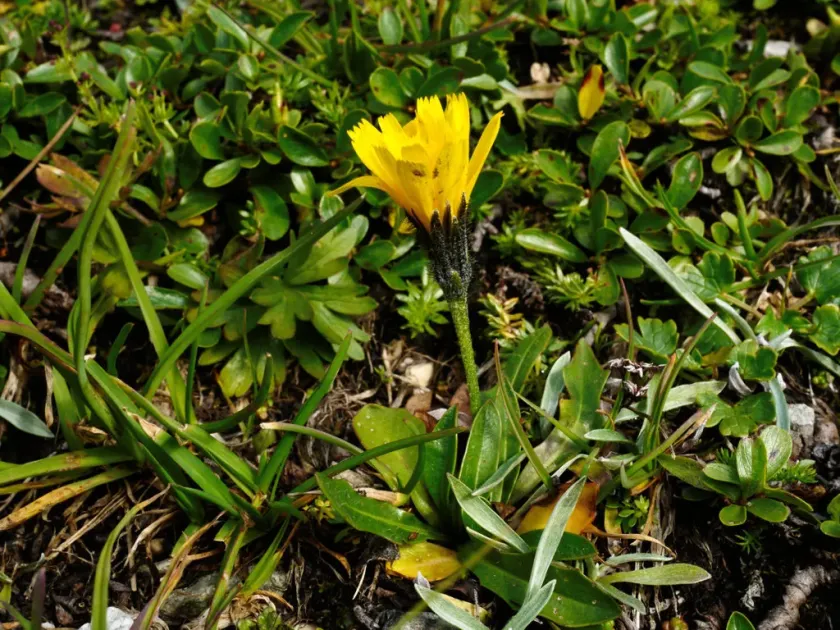
Description
Sowing dates
Mountain hawkbit, scientifically known as Scorzoneroides montana, is a perennial herbaceous plant belonging to the Asteraceae family.
Propagation is primarily achieved through seeds, which should be sown during late autumn or early spring to ensure natural cold stratification.
The seeds are relatively small and require precise placement in the soil, usually at a depth of no more than 1 centimeter to promote optimal germination.
Sowing in organized rows helps in weed management and allows for easier access to the plants during the critical early growth phases.
Maintaining consistent soil moisture is essential for seed germination, especially during the first few weeks after sowing in springtime.
Growing requirements
The crop thrives in well-drained soils, as it is highly susceptible to root decay when exposed to waterlogging or compacted clay substrates.
It prefers sunny, open environments that mimic its natural alpine habitat, ensuring vigorous growth and strong development of the basal leaf rosettes.
Regarding soil chemistry, the plant performs best in slightly acidic to neutral soil types, which should be relatively low in excessive fertilizers.
Hardiness is one of the key characteristics of this species, allowing it to withstand harsh winters and variable mountain climate conditions effectively.
Adequate air circulation around the plants is vital to prevent moisture accumulation and the subsequent development of fungal pathogens on the foliage.
Main diseases and pests
The plant is occasionally prone to infestations by aphids, which can cluster on tender stems and significantly impact the overall plant health.
Fungal diseases such as powdery mildew may appear during periods of high humidity and stagnant air, requiring immediate cultural interventions.
Soil-dwelling pests, including larvae that feed on roots, pose a threat to the plant's stability, often leading to sudden wilting and decline.
Regular monitoring of the garden plots is essential to detect early signs of pest activity or pathogen spread before they reach an epidemic scale.
Practicing crop rotation and maintaining soil hygiene are fundamental strategies for managing the biological threats associated with this crop.