
Autumn hawkbit
Scorzoneroides autumnalis
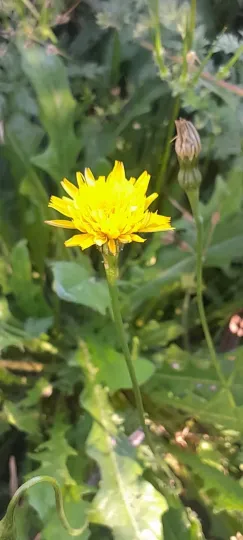
Description
Sowing dates
Autumn hawkbit (Scorzoneroides autumnalis) is a perennial herbaceous plant belonging to the Asteraceae family. In agricultural science, it is recognized as a significant component of meadow and pasture ecosystems, known for its resilience and ability to regenerate effectively.
The sowing period typically occurs in early spring or late summer when soil moisture levels are conducive to germination. Given the small size of the seeds, they should be sown shallowly, ideally at a depth not exceeding 0.5 to 1 cm, to ensure successful establishment.
When integrated into pasture seed mixtures, Autumn hawkbit demonstrates strong competitive growth. It develops a basal rosette of leaves that quickly covers the ground, helping to maintain a dense sward and preventing the encroachment of unwanted opportunistic weeds.
Proper seedbed preparation is essential for successful germination. Clearing the soil of deep-rooted perennial weeds provides the young hawkbit plants with the space and resources needed to establish a strong root system during their first year of growth.
Seeding rates should be adjusted based on the intended use of the land, whether it is for intensive grazing or extensive meadow management. High seed vigor allows the species to establish itself well on disturbed soils, making it a reliable option for pasture restoration.
Growing requirements
Autumn hawkbit is notably versatile, capable of thriving in a wide range of soil conditions. It shows excellent adaptability to both sandy, well-draining soils and heavier clay-loam soils, tolerating various pH levels with relative ease.
Regarding moisture, the plant is moderately drought-tolerant. Its short taproot allows it to access moisture from slightly deeper soil horizons during dry spells, which helps maintain growth when shallower-rooted grasses might begin to wilt.
As a heliophyte, it performs best in full sunlight. However, it displays a remarkable ability to persist in semi-shaded conditions, often found in dense meadow canopies. This adaptability makes it a consistent performer in complex plant communities.
The species exhibits strong winter hardiness. The basal rosette is capable of surviving harsh winter conditions under snow cover, ensuring rapid vegetative recovery immediately in the spring as soon as temperatures rise above the freezing point.
While not heavily dependent on high fertilizer inputs, the plant responds positively to balanced phosphorus and potassium fertilization. This promotes vigorous development of the foliage, enhancing its nutritional profile for livestock consumption.
Yield
The biomass yield of Autumn hawkbit is highly dependent on the composition of the sward and the management system applied. It serves as a valuable forage resource, especially during mid-to-late season periods when the growth of primary cool-season grasses may decline.
When managed as pasture, the plant provides a nutritious food source. Livestock readily consume the leaves, which are rich in minerals and soluble sugars, contributing to a balanced diet and promoting overall animal health.
In hay production systems, yields can range from 15 to 30 decitons of dry matter per hectare under optimal environmental conditions. The plant is noted for its good regrowth potential, allowing for multiple cuttings within a single growing season if moisture is sufficient.
Synergy with legumes in seed mixtures enhances the overall forage quality. The inclusion of Autumn hawkbit can improve the structural integrity of the hay, making it more appealing to ruminants and increasing the efficiency of dry matter intake.
To sustain yields over several years, rotational grazing management is recommended. This allows for rest periods that enable the plant to replenish energy reserves in the roots, ensuring long-term persistence in the meadow community.
Main diseases and pests
Fungal diseases represent the primary threat to the crop, particularly powdery mildew, which can colonize the leaves under conditions of high humidity or poor air circulation. This infection reduces the photosynthetic capacity of the plant and its palatability for livestock.
Insect pests, including various species of aphids and weevils, can cause localized damage to the foliage. In years of peak population density, these pests can impact both biomass yield and, more significantly, the production of viable seeds in seed-multiplication fields.
Soil-borne pests like wireworms pose a risk to the root system, particularly when planting into land that has recently been converted from old pastures or neglected fallows. Proper soil cultivation prior to sowing is the best defense against such threats.
Disease development is frequently exacerbated by poor management practices, such as excessive nitrogen application or over-thickening of the stand. Maintaining appropriate plant density is crucial to ensure good airflow and reduce the incidence of moisture-related pathogens.
Integrated pest management, including crop rotation and timely mowing, is the preferred approach for control. The use of chemical pesticides should be limited to high-value seed crops and only when economic thresholds are clearly exceeded.
Harvesting
For hay production, harvesting is most effective when the plant is in the early flowering stage. This timing optimizes the trade-off between total biomass volume and the concentration of essential nutrients, particularly crude protein.
Mowing should be performed with equipment adjusted to a moderate height. Cutting too close to the ground can damage the central rosette, slowing down recovery and potentially reducing the number of cuttings possible in the subsequent season.
Field drying should involve regular turning of the hay swaths to ensure even moisture loss. This process is critical for preventing spoilage and maintaining the color and nutritional quality required for high-grade winter forage.
When collecting seeds, the harvest must be timed precisely to the wax-ripeness stage of the seed heads. Since the seeds are equipped with pappus for wind dispersal, waiting too long can result in significant seed loss during windy weather.
Post-harvest management involves basic field maintenance such as harrowing, which clears away debris and stimulates the crown of the plants to initiate new growth for the next season, effectively preparing the meadow for the coming year.