
Swiss scorzoneroides
Scorzoneroides helvetica
Description
Growing requirements
Swiss scorzoneroides (Scorzoneroides helvetica) is a perennial herbaceous plant belonging to the Asteraceae family. It is naturally adapted to alpine and subalpine environments, thriving in harsh mountainous climates.
The crop requires well-drained, nutrient-rich loam soils to ensure healthy root development. It performs best in neutral to slightly acidic soil conditions with adequate moisture levels throughout the growing season.
This species is highly resilient to low temperatures and frost, which are common in its native habitat. Cultivation requires full exposure to sunlight to support the vigorous growth of its basal rosette and flowering stalks.
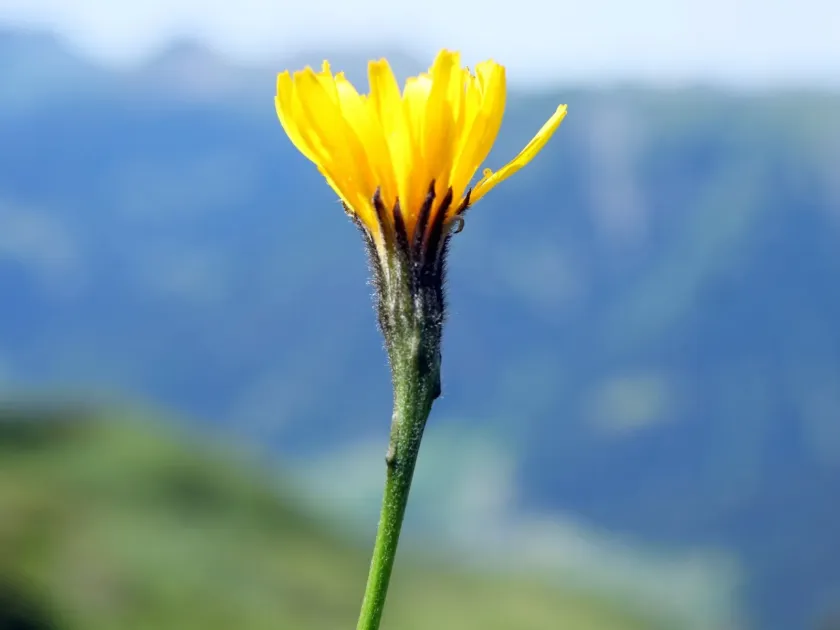
Botanically, it is characterized by lanceolate leaves and solitary yellow flowers. Its taproot system is essential for nutrient uptake in mountainous soils, providing stability and resource acquisition in challenging terrain.
Agriculturally, this plant is valued as a component of mountain pastures. It provides high-quality forage for grazing livestock during the limited summer growing window, contributing significantly to local biodiversity.
Main diseases and pests
The primary threats to this culture are fungal diseases, particularly those affecting the root system, which are often triggered by waterlogged soil conditions and poor site drainage.
Powdery mildew can become a significant issue if the plants are sown too densely, restricting airflow and creating microclimates conducive to pathogen spread.
Soil-dwelling larvae and pests represent a constant risk to young seedlings, potentially causing stunted growth or total loss of the crop stand if not managed properly.
Weed competition is a critical factor in alpine agriculture, as aggressive invasive species can suppress the growth of Swiss scorzoneroides by outcompeting it for light and space.
Effective management strategies include crop rotation and ensuring sufficient space between plants to promote proper aeration and reduce the overall incidence of diseases.