
Scorzoneroides crocea
Scorzoneroides crocea
Description
Growing requirements
Scorzoneroides crocea is a perennial herbaceous plant belonging to the Asteraceae family. It is naturally distributed across mountainous regions, thriving in subalpine and alpine meadow habitats.
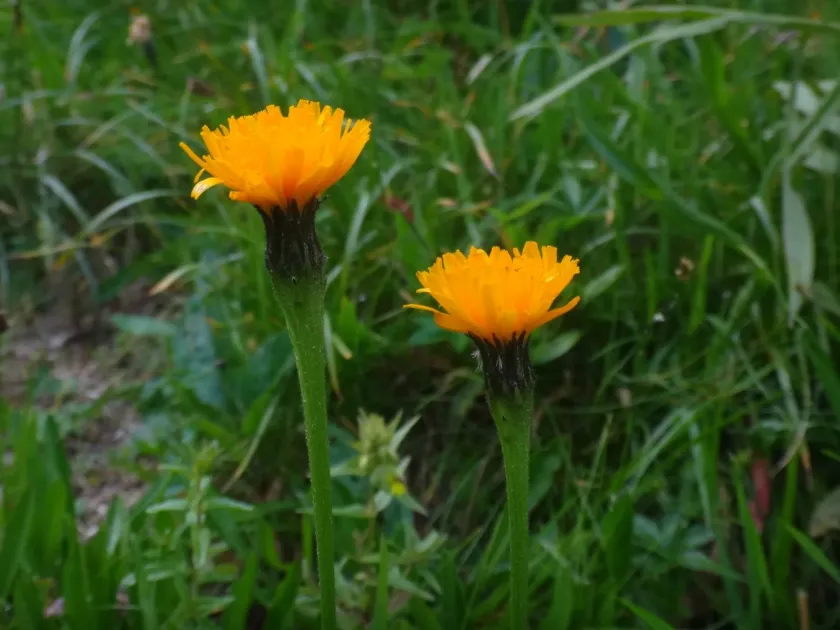
Botanically, the plant is characterized by a basal rosette of leaves and striking saffron-colored flower heads that bloom atop sturdy peduncles during the summer months.
The crop demands well-drained soil with a gritty or sandy texture to mimic its native alpine environment. Heavy, waterlogged soils are detrimental to root health and must be avoided.
Scorzoneroides crocea requires full sun exposure for optimal growth and development. It is highly resistant to cold temperatures, making it suitable for cultivation in regions with harsh winters.
Agronomic management involves minimal intervention. Given its wild origins, it does not require heavy fertilizing, but prefers soil that is relatively low in nitrogen but rich in minerals.
Main diseases and pests
Fungal pathogens represent the primary threat to this crop, especially in humid conditions where root rots and leaf spots can rapidly compromise the health of the plants.
Insect pests, including aphids and root-feeding larvae, pose a risk during the early establishment phase, potentially stunting growth and reducing yield potential.
Weed competition is a significant challenge in the initial stages; therefore, thorough land preparation and consistent weeding are necessary until the plants are established.
Management of these threats is best achieved through integrated pest management (IPM) practices, emphasizing soil health and plant vitality to prevent infestations.
In cases of severe infestation, targeted applications of organic-compliant fungicides or mild insecticides may be necessary to protect the plant's structural integrity.