
Scorzoneroides keretina
Scorzoneroides keretina
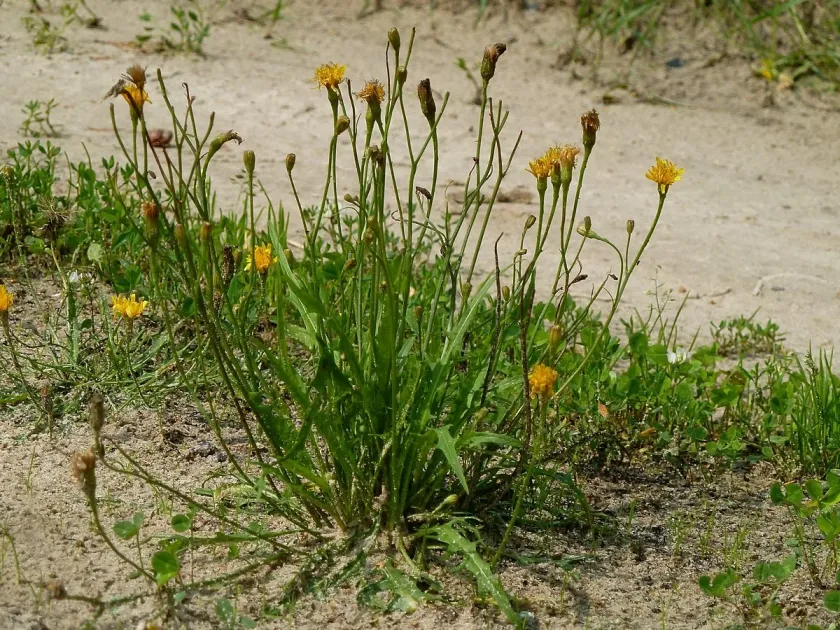
Description
Sowing dates
Sowing of Scorzoneroides keretina is typically conducted in early spring, as soon as the soil has thawed and warmed up sufficiently to ensure rapid and uniform seed germination.
Seeds should be distributed evenly across the seedbed using precise seeding equipment to maintain a consistent plant density that maximizes potential growth and reduces competition.
Depth of planting is a crucial factor; sowing seeds too deep can lead to emergence failure, while sowing too shallow may leave them vulnerable to surface drying and environmental stress.
The use of high-quality, certified seeds is recommended to prevent the introduction of weeds and ensure that the established crop maintains high vigor and health from the start.
Post-sowing soil compaction, performed with rollers, is advised to improve the contact between the seed and the soil particles, which helps in efficient water uptake during the initial stages.
Growing requirements
This species, belonging to the Asteraceae family, is characterized by its high adaptability to varying climatic conditions, often thriving in regions with cool, temperate climates.
It requires fertile, well-drained soil types to support its extensive root system, which allows the plant to acquire nutrients effectively even in slightly limiting soil conditions.
Full sun exposure is highly beneficial for this crop, as it promotes robust photosynthetic activity and contributes to higher biomass production throughout the main growing season.
While the plant shows good resilience to cold, consistent soil moisture management is necessary during critical growth phases to prevent stress and ensure maximum yield potential.
Nutrient management involves balanced fertilization programs that support both vegetative growth and root development, tailored to the specific nutrient status of the field.
Main diseases and pests
Root rot represents a significant threat to crop health, especially under conditions where soil drainage is inadequate, leading to prolonged waterlogging of the rhizosphere.
Fungal leaf diseases can proliferate rapidly in dense stands where air circulation is restricted, potentially reducing the overall quality and nutritional value of the harvested material.
Soil-dwelling insects can cause considerable damage by feeding on roots, which necessitates regular scouting and the implementation of appropriate Integrated Pest Management strategies.
Early-season weed competition remains a challenge, as the crop requires a period of establishment before it can successfully outcompete invasive species for light and water.
Maintaining crop health requires a proactive approach including rotation practices that break disease cycles and prevent the buildup of pest populations in the soil.