
Scorzoneroides montaniformis
Scorzoneroides montaniformis
Description
Growing requirements
Scorzoneroides montaniformis is a perennial herbaceous plant belonging to the Asteraceae family. Native to mountain ecosystems, it has evolved to thrive in environments characterized by thin soils and significant daily temperature fluctuations.
The plant performs best in well-drained, gritty, or rocky soils with a neutral pH level. Waterlogged conditions must be strictly avoided, as the species is highly susceptible to root decay when moisture lingers around the root collar.
Full sun exposure is essential for the healthy development of this species. It requires plenty of light to initiate flowering and to maintain the compactness of the basal rosette, which is characteristic of its natural mountain habitat.
The plant is exceptionally hardy and can withstand harsh winter conditions. However, it requires a well-structured soil profile to support its deep taproot system, which is crucial for nutrient uptake and survival during the growing season.
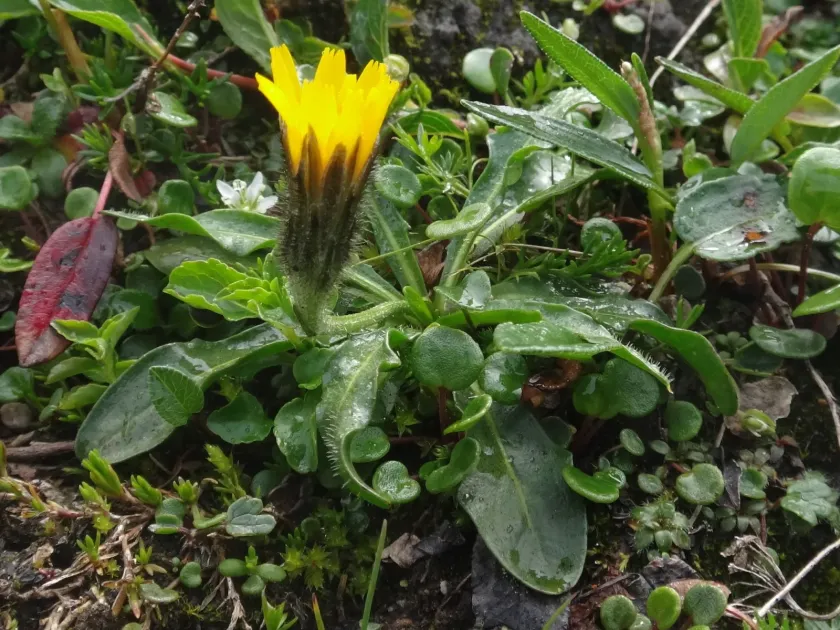
Botanic morphology features a rosette of basal leaves and solitary flower heads on erect stalks. This growth habit is an evolutionary adaptation that protects the plant from strong alpine winds while maximizing exposure to pollinators.
Main diseases and pests
Fungal pathogens represent the primary threat to Scorzoneroides montaniformis, particularly in nursery or cultivation environments with poor ventilation. Root rot and leaf spotting are common symptoms of improper irrigation management.
Insects such as root aphids and larvae of various coleopterans may feed on the root system, causing stunted growth or total plant failure. Monitoring the soil health and avoiding excessive nitrogen fertilization helps keep pest populations under control.
Weed competition is a significant concern during the early establishment phase, as the species grows relatively slowly. Manual weeding or the application of light organic mulch is recommended to provide the plant with a competitive advantage.
Viral infections may occur, often transmitted by sap-sucking insects like aphids. Implementing a strict sanitation program, including the removal of infected plant debris, is vital to prevent the spread of diseases within the planting area.
During the harvest of seeds, care must be taken to prevent mechanical damage to the remaining plant tissues. Proper tool sterilization is recommended to ensure that no pathogens are introduced through wounds created during the harvest process.