
Scorzoneroides cichoriacea
Scorzoneroides cichoriacea
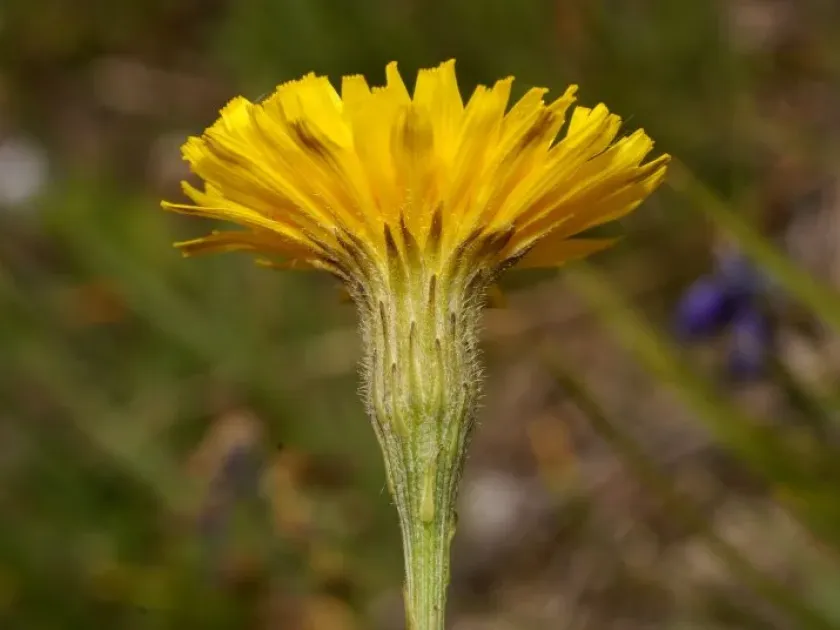
Description
Sowing dates
Scorzoneroides cichoriacea is a herbaceous perennial belonging to the Asteraceae family. For optimal establishment, sowing should be performed in early spring as soon as soil temperatures reach a range of 5 to 8 degrees Celsius, which is sufficient for germination.
Seeds require a shallow planting depth, typically 1 to 2 centimeters, to ensure proper light exposure and contact with moist soil particles. Excessive depth can significantly delay emergence and weaken the young seedlings.
It is recommended to sow in rows spaced 20 to 30 centimeters apart, which facilitates better aeration and future mechanical weeding. This spacing is also ideal for maintaining balanced light competition among individual plants.
The plant exhibits a slow initial growth rate, requiring farmers to keep the field free of invasive weeds during the first weeks of development. Once established, the root system becomes robust enough to support vigorous growth.
While autumn sowing is sometimes possible, spring is generally preferred in most temperate regions to minimize the risk of frost-related losses. Proper seedbed preparation, including leveling and firming the soil, is crucial for success.
Growing requirements
This crop thrives in well-drained loamy or sandy soils with a neutral or slightly acidic pH balance. It is sensitive to waterlogging, as poorly aerated conditions can trigger root rot and severely hinder plant health.
Scorzoneroides cichoriacea is highly sun-loving and requires an open, unobstructed site to reach its full nutritional potential. Shaded areas often result in stunted growth and lower levels of stored energy within the leaves.
The ideal temperature range for active vegetative development is between 15 and 22 degrees Celsius. It demonstrates good cold tolerance, allowing it to survive winters in temperate climates provided there is adequate snow cover.
Water requirements are moderate; while the plant is somewhat drought-tolerant due to its taproot, it performs best with consistent moisture throughout the growing season. Irrigation may be necessary during extended dry spells.
Soil fertility management, particularly the application of phosphorus and potassium, helps improve the plant's resilience. Nitrogen should be applied judiciously to encourage foliage growth without exhausting the plant’s energy reserves.
Yield
The yield of Scorzoneroides cichoriacea depends heavily on management practices and environmental factors. Under favorable conditions, the crop can support 2 to 3 harvests per season, providing a steady supply of high-quality green biomass.
It is primarily utilized as a forage crop, highly valued for its palatability and nutrient content for livestock, including cattle and sheep. It serves as a beneficial addition to both permanent pastures and hayfields.
The plant shows excellent regrowth capacity after mowing, which ensures high productivity over several years of use. This longevity makes it a cost-effective choice for farmers looking to improve permanent grazing areas.
Yield metrics per hectare are substantial when managed with proper cutting intervals. Farmers should aim to harvest before the plant enters the advanced flowering stage to maintain the highest concentration of minerals and vitamins.
The plant is also recognized for its value in supporting local pollinator populations. Seed production should be managed by harvesting during the dry period in late summer to avoid loss through natural seed dispersal.
Main diseases and pests
Common diseases affecting this species include powdery mildew and various leaf spot pathogens, which thrive in humid or stagnant air conditions. Improving field ventilation is the most effective preventative measure.
Root-dwelling pests, such as wireworms and white grubs, can cause localized damage. Integrated pest management, including regular soil cultivation and crop rotation, is essential for keeping pest populations below economic thresholds.
Aphids can cause stress by feeding on young stems and leaves during warmer periods. Monitoring is necessary during the early growth stages, and if populations explode, biological controls or targeted sprays should be considered.
Nematode infestations can damage the root system and reduce overall plant vigor. It is important to avoid planting on sites with a history of nematode outbreaks to prevent long-term damage to the field.
Competitive weeds are a major threat to the crop during its establishment phase. Mechanical weeding or selective herbicide application (where compliant with local regulations) is required to ensure the crop establishes dominance.